Is It True That Pilots Can Make Over $300,000 a Year?
Yes, it’s true. Some airline pilots earn over $300,000 per year.
But that level of income comes after years of structured training, steady advancement, and smart career decisions.
If you are researching how to become a pilot in Indiana, understanding how pilot pay actually works will help you plan your path the right way. Whether you live in Valparaiso, Chesterton, Crown Point, or commute from Chicago suburbs like Naperville or Hinsdale, the opportunity is real. The timeline just requires clarity and commitment.
Let’s break it down simply.
How Pilot Pay Actually Works
Airline pilot pay is not random. It follows a clear system based on:
- Aircraft type
- Years of service at the airline
- Union contracts
- Monthly flight hours
Most airlines pay pilots an hourly rate. That rate increases every year you stay with the company. This system is called a “seniority scale.”
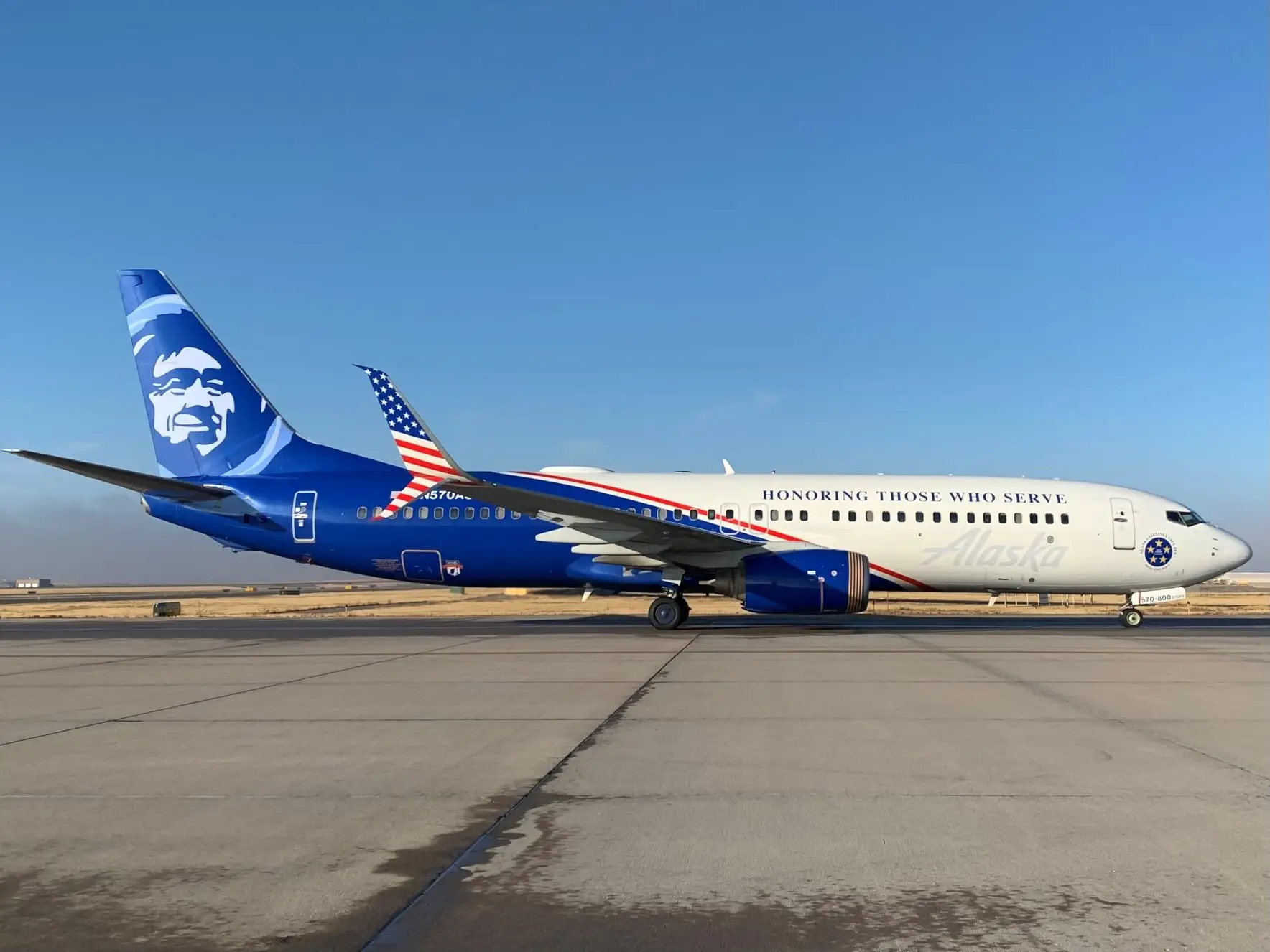
The larger and more complex the aircraft, the higher the pay rate. For example, wide-body international captains earn more than regional jet first officers.
The Importance of Seniority
In aviation, seniority affects:
- Pay rate
- Schedule flexibility
- Vacation bidding
- Aircraft assignments
The earlier you start your career, the earlier you begin climbing that pay scale.
That is why students training at Porter County Regional Airport (KVPZ) in Valparaiso often focus on building hours efficiently. Time matters in this profession.
Career Progression: From Student to $300,000 Earner
Here is a realistic path for someone researching how to become a pilot in Indiana:
Step 1: Private Pilot Certificate
You begin with your foundation. Learn more about our Private Pilot Certificate program.
Step 2: Instrument Rating
This rating teaches you to fly safely in clouds and low visibility. Details here: Instrument Rating.
Step 3: Commercial Pilot Certificate
This allows you to get paid to fly. Explore the Commercial Pilot Certificate pathway.
Step 4: Build Time as a Flight Instructor
Most pilots build flight hours by earning their Certified Flight Instructor (CFI) credential.
Step 5: Airline Transport Pilot Certificate
To fly for the airlines, you must qualify for the Airline Transport Pilot certificate, which generally requires 1,500 total flight hours.
What Do Airline Pilots Actually Earn?
While exact numbers depend on the airline and contract, here is the general progression:
- Regional First Officer: Entry-level airline pay
- Regional Captain: Significant pay increase
- Major Airline First Officer: Substantial jump
- Major Airline Captain: Top earning potential
Senior captains at major airlines flying large international aircraft can exceed $300,000 annually under current union contracts.
However, that level typically comes after:
- 10 to 20 years of experience
- Upgrades from first officer to captain
- Transition to a major airline
The key takeaway is simple. The career offers long-term earning growth, not instant high income.
Why Pilot Compensation Has Increased
The aviation industry has experienced strong hiring demand in recent years due to:
- Retirements of senior pilots
- Increased travel demand
- Fleet expansion at major airlines
When airlines compete for qualified pilots, compensation improves. Strong union contracts also play a role in setting competitive wage scales.
For students in Northwest Indiana and the Chicago Metropolitan Area, this means the long-term outlook remains strong for those who complete professional training.
How Long Does It Take to Reach Top Pay?
If you are exploring how to become a pilot in Indiana, it helps to think in phases:
- 0 to 1 year: Private, Instrument, Commercial training
- 1 to 3 years: Flight instructor time building
- 3 to 6 years: Regional airline progression
- 6 to 15+ years: Major airline opportunity
Reaching a $300,000 salary is possible, but it requires staying in the industry long enough to move up the seniority ladder.
Consistency beats speed.
What Impacts Your Timeline Most?
Three factors shape your earning trajectory:
1. Training Structure
Students who train consistently at a structured academy move faster than those who fly occasionally.
If you are serious about how to become a pilot in Indiana, consistency shortens your overall timeline and reduces retraining costs.
2. Career Planning
Choosing a school with a defined pathway matters. Review our full Pilot Training Programs to understand the sequence.
3. Early Start
Starting at 18 versus 28 can change lifetime earnings significantly because seniority compounds over decades.
Living in Northwest Indiana While Training
One advantage of training at Porter County Regional Airport (KVPZ) is location.
Students commute from:
- Chesterton, Portage, Hobart, Merrillville
- Crown Point, Munster, Highland, Griffith
- Dyer, Schererville, St. John, Cedar Lake
- Chicago suburbs such as Oak Brook, Elmhurst, Libertyville, Highland Park, Winnetka, Wilmette, Kenilworth, Western Springs, and Barrington Hills
Training near complex Chicago airspace builds real-world experience early in your career.
Common Questions About Pilot Salary
Do All Pilots Make $300,000?
No. Only senior captains at major airlines typically reach that level. Regional pilots and early-career airline pilots earn less.
Is a College Degree Required?
The FAA does not require one. Some airlines prefer degrees, but experience and qualifications matter most.
Can International Students Train in Indiana?
Yes. We welcome domestic and international students. Learn more about our International Student Programs.
Our culture centers on Purpose, Precision, and Safety, where Americans feel pride and visitors feel welcome.
The Bigger Picture: Lifetime Earning Potential
Aviation rewards long-term commitment.
While early-career pay may be modest compared to senior captains, pilot salaries tend to increase steadily each year due to:
- Contract step raises
- Aircraft upgrades
- Captain transitions
- Major airline movement
Over a 30-year career, those incremental raises compound significantly.
That is why starting with a structured plan matters.
If you want a clear roadmap outlining training stages, cost planning, and expected career milestones, request our free Indiana Pilot Career Planning Guide. It helps you map out the steps before you invest.
Ready to Take the First Step?
Reading about salary potential is one thing. Experiencing flight is another.
If you are researching how to become a pilot in Indiana and want clarity on earnings, training timelines, and next steps, begin with action.
- Schedule a Discovery Flight
- Review our structured Enrollment Process
- Speak directly with our admissions team through our Contact Page
Your path toward a professional pilot career begins with informed planning and consistent training.
High income in aviation is possible. Structured preparation makes it realistic.