What Can You Do with a Commercial Pilot License near Indiana?
Most people assume a commercial pilot license means one thing: airline flying. That is one path, but it is not the only one, and for students training near Northwest Indiana, it is often not the first one.
This post answers the bigger question behind common searches like how much does a pilot make in a year, how much does a commercial pilot make, and average commercial pilot salary. The answer starts with choosing the right career track and training path, not only with chasing a single top-tier job.
What a Commercial Pilot License really gives you
A Commercial Pilot License means you can be paid to fly. It is the credential employers use to hire pilots for jobs beyond private recreation.
Every serious aviation career near Indiana still begins with the same foundation:
- Private Pilot Certificate
- Instrument Rating
- Commercial Pilot License
Those three steps are the core of the path. From there, you choose which work fits your interests, your schedule, and your long-term goals.
Explore the training path here: Commercial Pilot Certificate.
1. Certified Flight Instructor (CFI): the most common first job
For many students, the first paid flying job after a commercial certificate is flying other students.
A CFI teaches the next generation of pilots while they build the experience airlines and charter operators require. It is the classic time-building route because you log hours and sharpen your own skills at the same time.
Why it matters:
- It keeps you current in the cockpit.
- It strengthens your review, communication, and judgment.
- It can put you on a realistic path toward the hours needed for many airlines.
At Eagle Aircraft, top graduates often continue at our flight school in Valparaiso as CFIs. That concentration of local instructor experience is one reason the Northwest Indiana market supports both beginning students and early-career professionals.
If you want to understand the real progression from first lesson to paid flying, add the Certified Flight Instructor page to your research.
2. Cargo and freight pilot: flying goods instead of passengers
If you enjoy flying and prefer mission-focused flying over passenger service, cargo is a strong career path.
This segment includes:
- Regional carriers moving packages and freight
- Smaller operators flying overnight routes
- Niche cargo work for medical shipments or specialty freight
The good news is that cargo operators frequently hire commercial pilots with lower hour totals than major airlines. That makes it a practical step after your license, especially if you like the idea of flying real schedules and machines that are still accessible from a lower-hour base.
Cargo flying also gives you experience with:
- Night operations
- Cross-country flight planning
- Manned and unmanned logistics environments
3. Corporate and business aviation: private jets and executive travel
Flying corporate or charter aircraft is a different world from airlines. It is not routine commercial airline service, and that is exactly why it fits many CPL holders.
This path is attractive because it offers:
- Variable schedules with some long legs and some short hops
- Travel to airports larger jets cannot reach
- A small-team, client-facing professional environment
Corporate aviation demands top-tier professionalism, discretion, and customer service. That makes it one of the more prestigious roles a Commercial Pilot License can unlock.
Pilots drawn to this track often appreciate that it can lead to stable work without the highly structured turbulence of airline junior jets. It also keeps a pilot close to the Midwest and routes out of the Chicago area, while still offering national and international flying.
4. Aerial photography, mapping, and pipeline patrol: low and slow work that builds skill
Some of the most useful first jobs for new commercial pilots are not glamorous, but they are excellent training.
Aerial work includes:
- Photography and mapping flights
- Surveying land and infrastructure
- Pipeline and power-line patrols
Those jobs require precise flying at low altitudes and steady airspeed control. Employers often hire pilots with a commercial certificate and a strong instrument mindset.
These missions build real stick-and-rudder precision, situational awareness, and confidence in the cockpit. That experience translates directly into better long-term performance.
5. EMS and air ambulance: rewarding flying with a mission
For many pilots, the most meaningful work is emergency medical services.
EMS pilots transport critically ill patients, organs, and medical teams between hospitals. That type of flying demands:
- Strong instrument proficiency
- Calm judgment in changing weather
- The ability to complete missions safely under pressure
It is one of the most rewarding paths a Commercial Pilot License can open. The work is often intense, but it is also one of the clearest examples of aviation making a direct difference in people’s lives.
In the Midwest and beyond, EMS operations are staffed by pilots who are both technically excellent and mission-focused.
6. The ultimate destination: major and regional airlines
Airlines remain the long-term ambition for many pilots. The Commercial Pilot License is the essential step on that path.
From a career perspective, regional airlines are often the first operational employer for pilots leaving flight school or instruction. Regional experience then becomes the launch point for major carriers.
Qualifications matter more than job title. If you are wondering how much does a pilot make in a year, the airline path is well known for growing compensation as experience increases and upgrades occur.
What matters most is the route you take to get there. A strong local training base, consistent flying, and a realistic time-building strategy are the foundation.
How Eagle Aircraft fits the full career map
At Eagle Aircraft Flight Academy, we train pilots for the full range of commercial work.
Our approach includes:
- A clear progression from Private Pilot to Instrument and Commercial training
- Career-focused guidance for aviation jobs beyond airlines
- Local support for students in Northwest Indiana and the greater Chicago area
- Financing options to help keep training on schedule
That means the same training foundation can lead to:
- CFI jobs at our school
- Cargo and charter flying
- Corporate aviation roles
- Aerial survey and EMS missions
- Airline preparation and long-term career planning
If you want to compare training paths, start with the basics. Your first flight lesson and your first instrument course are the same steps whether your goal is cargo, corporate, or airlines.
Your next step after the license
A Commercial Pilot License is not the finish line. It is the credential that lets you move from training into a real aviation job.
The most effective way to begin is to plan your first steps with a team that understands the local market and the broader pilot career landscape.
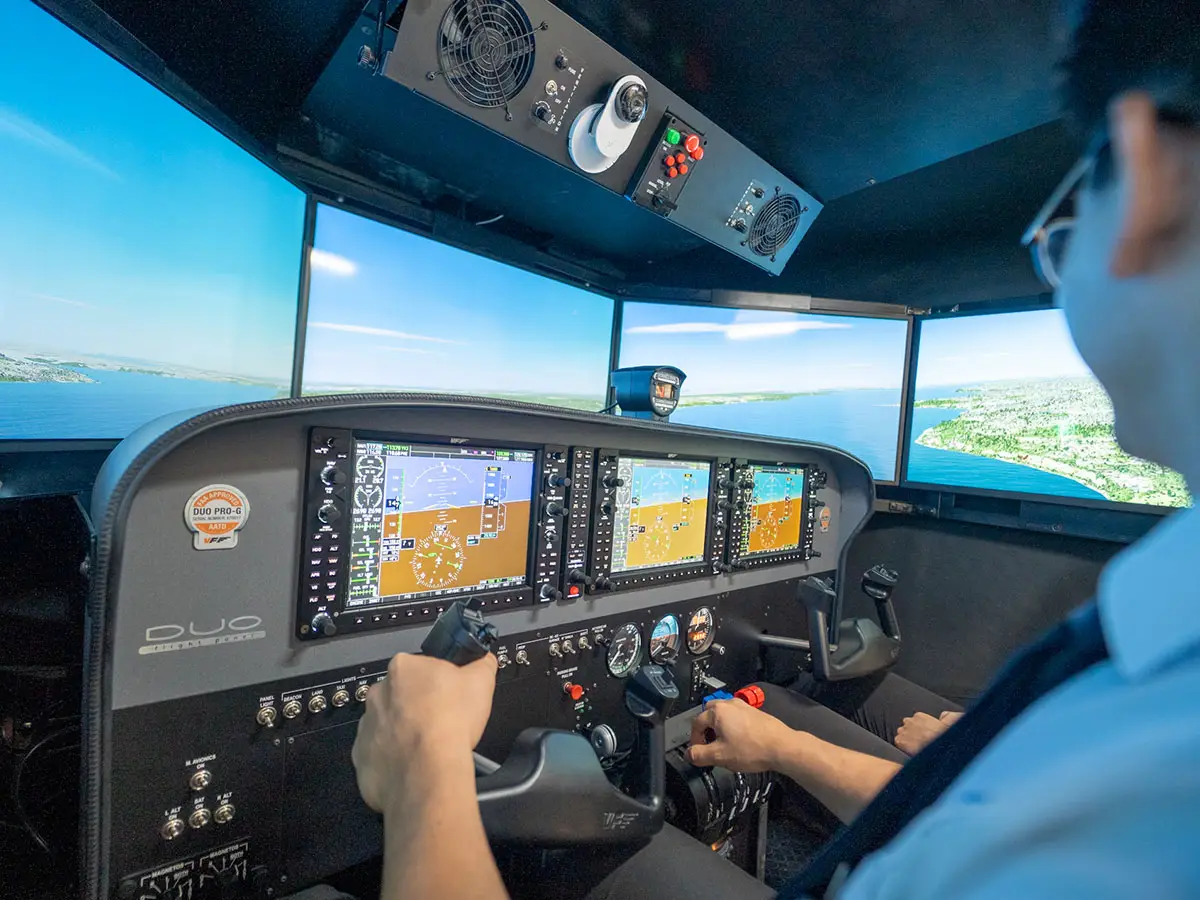
If you are ready to explore the work you can do with a CPL, start with a practical introduction to our training environment.
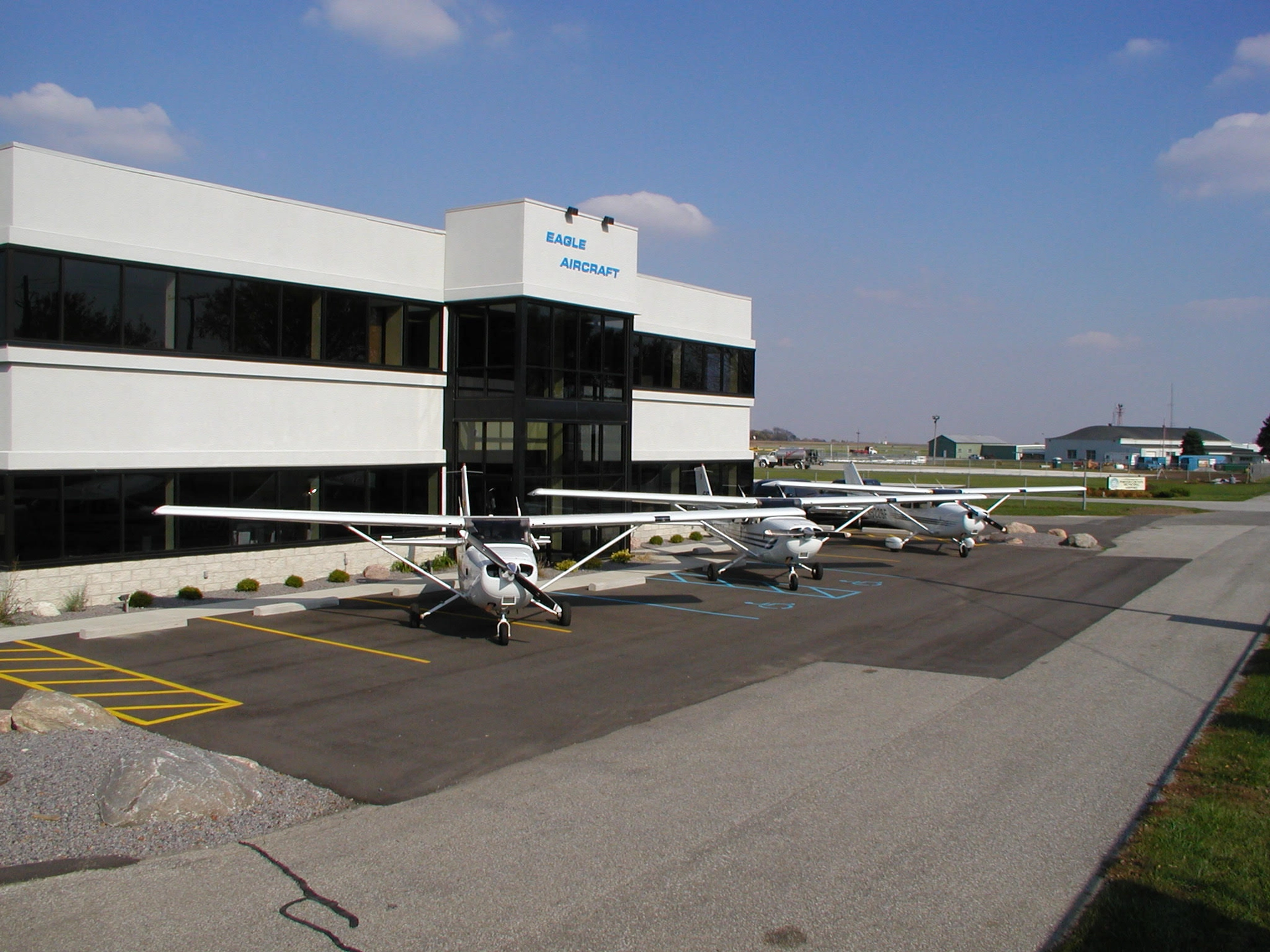
That lets you see how Eagle Aircraft uses Porter County Regional Airport as a training base for both local students and those coming from the Chicago area. From there, you can map the exact path that fits your career goals.