Private Pilot License Indiana: 2026 Step-by-Step Guide
If you are searching for private pilot license Indiana, you are probably past the daydream stage. You want the steps, the FAA requirements, the written test, the flight hours, the checkride, and the cost picture before you commit serious time and money.
The short answer: in everyday language, people call it a private pilot license. The FAA term is Private Pilot Certificate. You earn it through FAA-approved training standards, not through the State of Indiana, but your Indiana training location can shape your schedule, cost, airspace experience, and checkride planning.
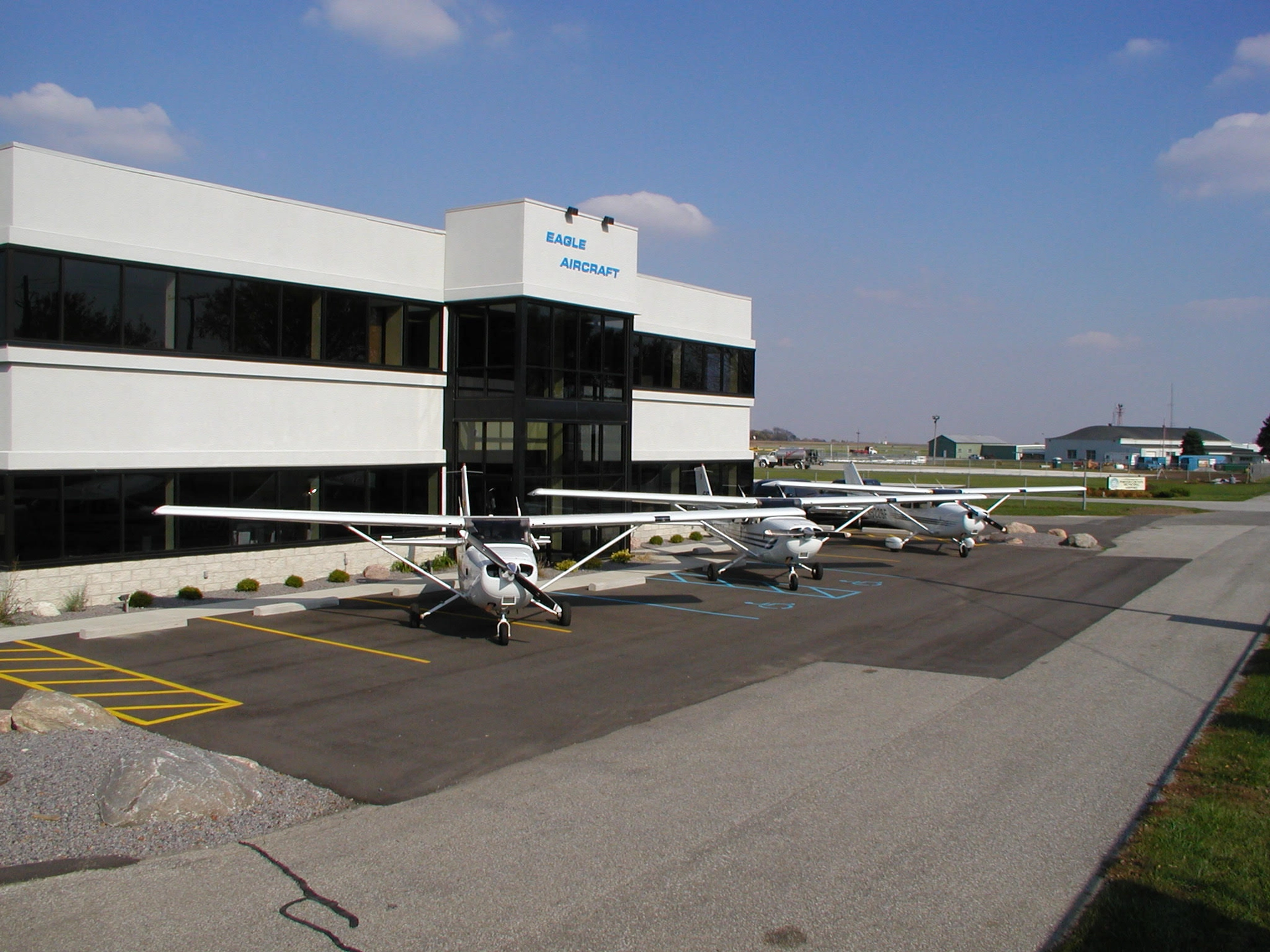
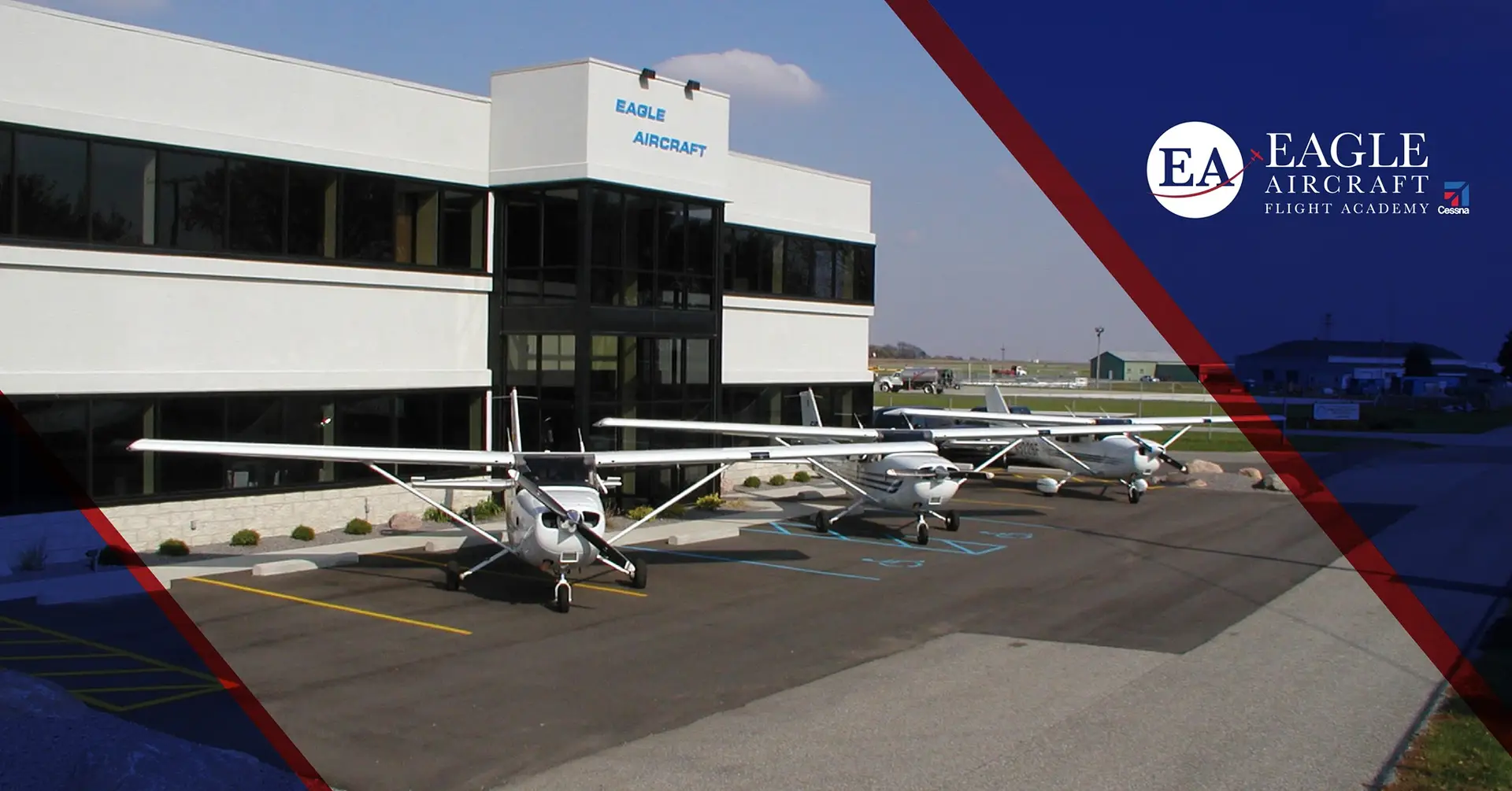
At Eagle Aircraft Flight Academy in Valparaiso, we help students map the path from first lesson to checkride at Porter County Regional Airport (KVPZ). Here is the 2026 process, step by step.
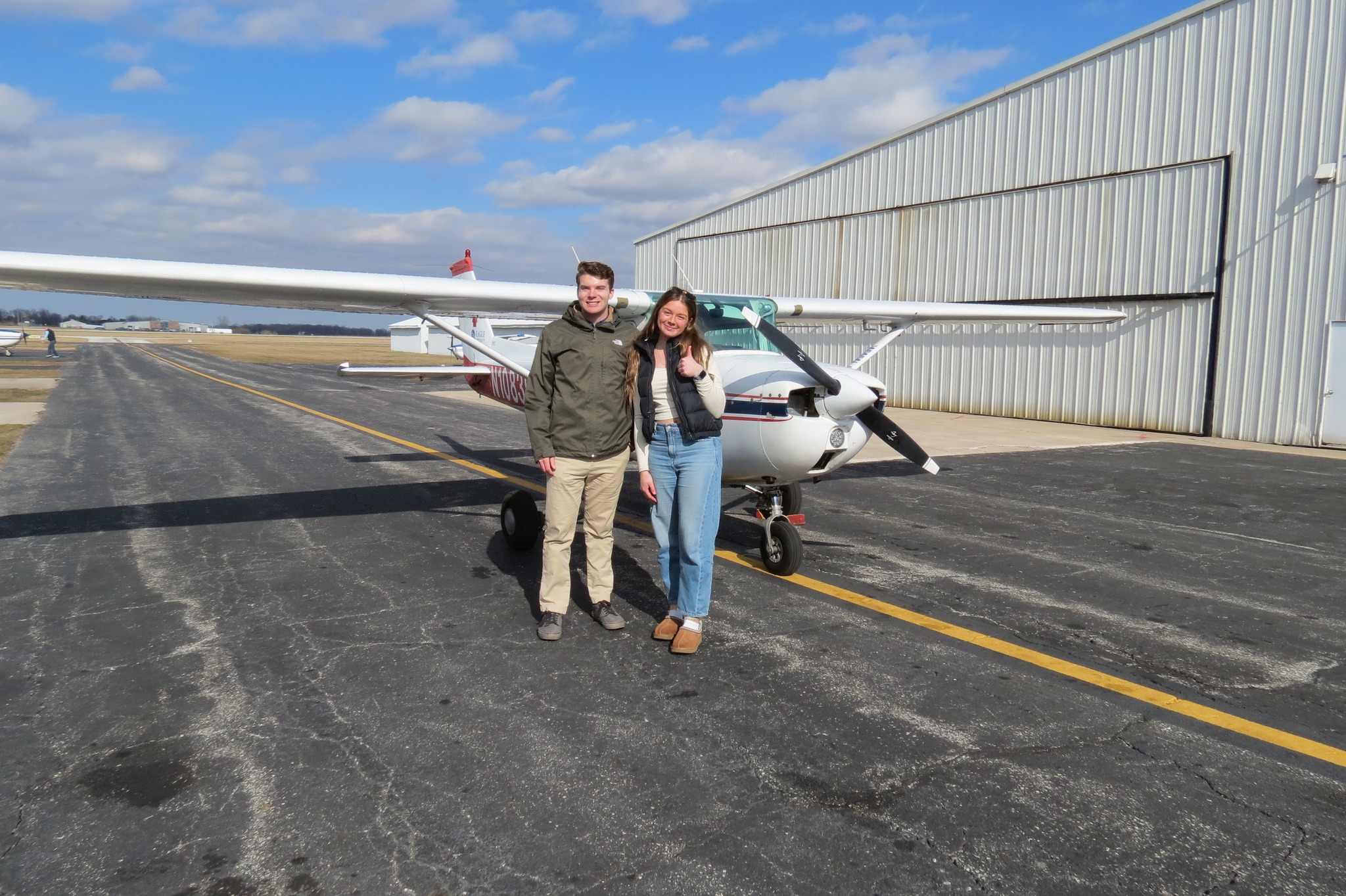
Your Indiana PPL Starts With A Federal Certificate
Indiana is where you train. The FAA is who issues the certificate.
For a typical airplane student, the path to a private pilot certificate includes eligibility, ground study, flight training, solo flight, cross-country work, the FAA knowledge test, and a practical test with an FAA inspector or Designated Pilot Examiner (DPE). The FAA’s private pilot guidance explains that applicants must pass both a written knowledge test and a practical flight test: FAA private pilot overview.
Here is the high-level sequence:
| Step | What happens | Why it matters |
|---|---|---|
| 1 | Confirm eligibility and medical planning | You avoid spending heavily before a medical or documentation issue slows solo flight |
| 2 | Choose a school and training path | You compare structure, flexibility, airport environment, and support |
| 3 | Begin ground and flight training | You build the knowledge and aircraft control needed for solo |
| 4 | Complete solo and cross-country milestones | You prove you can plan, navigate, communicate, and make decisions |
| 5 | Pass the FAA knowledge test | You show aeronautical knowledge before the checkride |
| 6 | Complete the checkride | You earn the certificate when you meet FAA standards |
Our Private Pilot Certificate program is built around those milestones, with a structured syllabus for students who want a clear progression from the first lesson through checkride readiness.
Step 1: Check Eligibility Before You Spend Heavily
For a standard airplane private pilot path, you need to be at least 17 years old to earn the certificate. You also need to read, speak, write, and understand English, receive the required instructor endorsements, pass the FAA knowledge test, meet flight experience requirements, and pass the practical test.
You can begin lessons before every document is finished. The practical planning point is solo flight: before you solo an airplane, you need the required student pilot documentation and medical qualification.
Most airplane students should handle the FAA medical early. FAA medical guidance says student pilots need at least a third-class medical certificate before first solo except for glider and balloon training: FAA medical exam FAQ. If you have questions about medications, prior conditions, or special issuance, talk with an Aviation Medical Examiner before you invest deeply in training.
Students often start with a Discovery Flight because it turns the idea into a real cockpit experience. After that, a school visit or advising call helps you line up the medical, schedule, budget, and training path in the right order.
Step 2: Choose Part 141 Structure Or Part 61 Flexibility
One of the first serious choices in pilot training Indiana students face is Part 141 versus Part 61. Both can lead to a private pilot certificate. The difference is how the training is organized.
| Training path | Best fit | What to plan around |
|---|---|---|
| Private Pilot Certificate under Part 141 | Students who want a structured syllabus, phase checks, and a school-managed progression | Approved curriculum, defined lesson flow, and consistent evaluation points |
| Private Pilot Certificate with Part 61 flexibility | Students balancing work, college, family, or a less predictable schedule | More adaptable pacing while still meeting FAA requirements |
Part 141 schools use FAA-approved course curricula and a structured syllabus. The FAA notes that approved schools operate under Part 141 and that private pilot hour minimums can be reduced when training is completed through an approved school: FAA pilot schools information.
At Eagle Aircraft, we help students compare both paths through our programs. Part 141 structure can be valuable if you want defined milestones. Part 61 flexibility can be useful if your schedule needs more room. The better fit is the one you can follow consistently.
Step 3: Build The Flight Hours That Actually Prepare You
FAA minimum hours are the floor. Checkride readiness is the goal.
For Part 61 private pilot airplane training, FAA public guidance lists a 40-hour minimum, including at least 20 hours of flight training from an authorized instructor and 10 hours of solo flight training. That training also includes cross-country, night, instrument, and other category/class requirements: FAA hourly requirements FAQ.
For an approved Part 141 private pilot airplane course, the approved-course minimum can be 35 hours. That lower number is useful to understand, but it is still a minimum. Many students should plan beyond the minimum because weather, schedule consistency, ground preparation, aircraft availability, and personal proficiency all shape the final total.
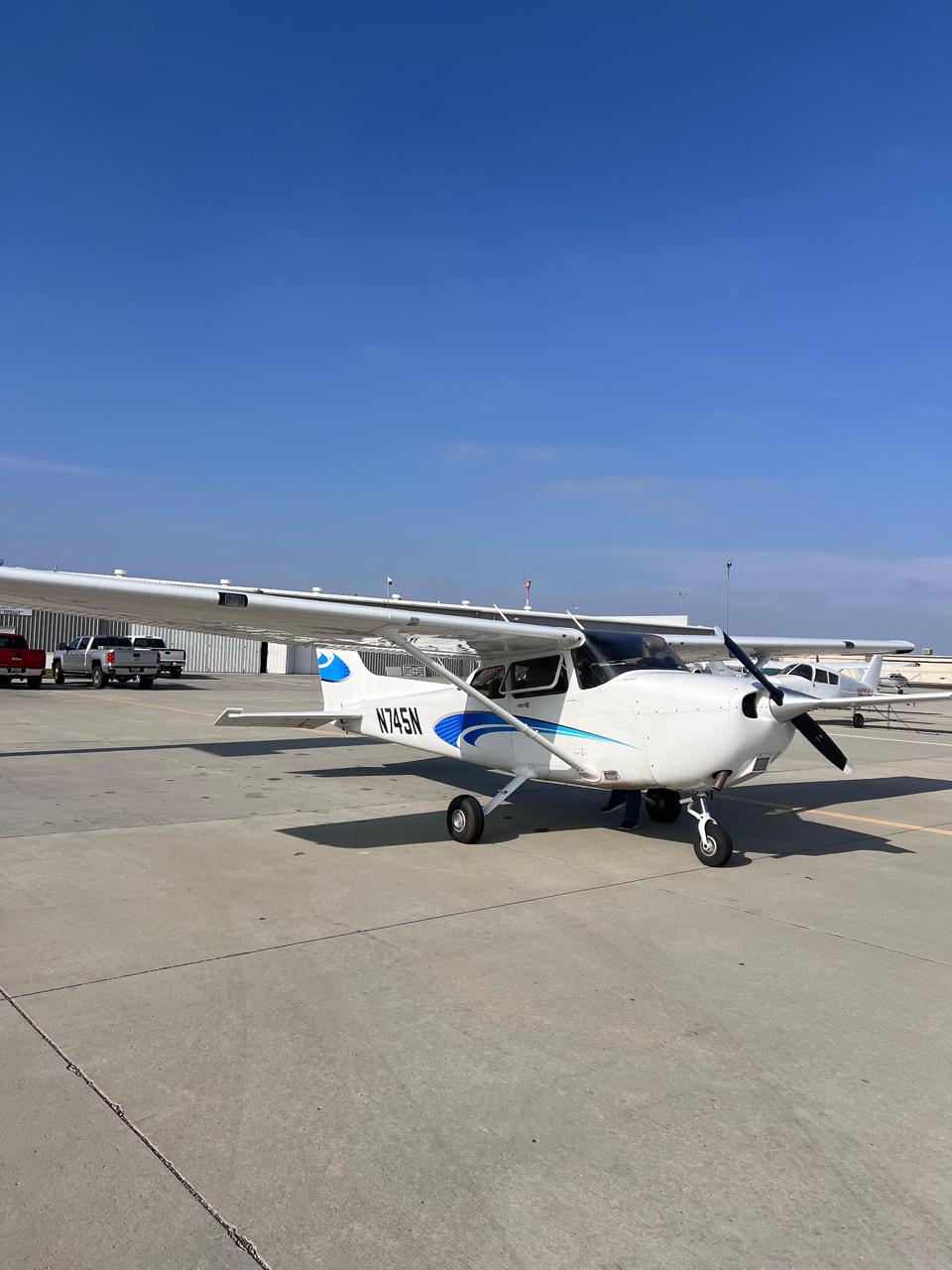
At KVPZ in Valparaiso, students train in a controlled-airport environment where radio communication becomes part of the rhythm early. You are not starting inside Chicago’s busiest airline hub flow, but you still build practical communication and airspace habits that matter later.
Step 4: Pass The Written Before It Slows Your Flying
The FAA knowledge test is often called the written exam. It covers the subjects you need before the checkride: regulations, airspace, weather, aircraft systems, performance, navigation, flight planning, aeromedical factors, and decision-making.
Do not treat the written as a side project. A strong study plan protects your flight budget because you show up to lessons with the mental picture already built. When you understand airspace, weather, and performance on the ground, the cockpit becomes a place to apply knowledge instead of hearing it for the first time with the engine running.
We recommend using ground study and instructor time together. The student resources page can help current students find training documents, checklists, and school resources, while your instructor keeps your study tied to the airplane, airport, and checkride standards.
The practical target is simple: finish the knowledge test early enough that it does not become a bottleneck during checkride prep.
Step 5: Complete Solo, Cross-Country, And Checkride Prep
Your first solo is a major milestone, but it is not the finish line. After solo, private pilot training expands into navigation, cross-country planning, weather decisions, towered-airport operations, night requirements, and preparation for the practical test.
A typical private pilot checkride includes an oral portion and a flight portion. FAA practical test information explains that applicants bring aircraft documents, the application, knowledge-test report, medical certificate when required, logbook, and school graduation certificate when applicable: FAA private pilot practical test information.
Many checkrides are scheduled with a DPE. The FAA describes a DPE as an appointed designee with the appropriate ratings and authority: FAA Designated Pilot Examiner information. DPE availability changes by location, demand, aircraft, and examiner authorization, so contact us to confirm current DPE availability as you plan your checkride window.
At Eagle Aircraft, our Private Pilot Certificate program uses phase-based preparation so the checkride is not a surprise event. The goal is to arrive with your documents, maneuvers, decision-making, and oral knowledge organized.
Step 6: Plan The Real Cost Before The First Invoice
The phrase private pilot license cost Indiana deserves a careful answer because the FAA minimum is not a full budget. Your final cost is shaped by aircraft time, instructor time, ground instruction, study tools, supplies, headset, medical exam, FAA knowledge test, DPE fee, checkride aircraft time, extra proficiency hours, and schedule consistency.
Use this planning table before comparing aviation schools in Indiana:
| Cost item | What it covers | How we help you plan it |
|---|---|---|
| Aircraft time | Training flights, solo flights, checkride aircraft use | Build a realistic hour plan instead of relying on the FAA minimum alone |
| Instructor time | Flight instruction, ground review, oral prep, endorsements | Keep ground and flight lessons connected so you repeat less |
| Testing | FAA knowledge test and practical test/DPE fee | Plan these as separate budget items, not surprises at the end |
| Supplies | Headset, charts, apps, books, subscriptions, kneeboard | Decide what you need now and what can wait |
| Schedule gaps | Weather, life interruptions, proficiency refreshers | Fly consistently so skill retention protects the budget |
| Financing | Loans, family planning, pay-as-you-go, veteran or university pathways when eligible | Talk through options before the schedule is built |
For 2026 planning, the safest move is to request a current estimate that separates each cost category. We can prepare that with you through our contact team, and you can also compare broader training-cost variables in our guide to flight school cost near Chicago and Northwest Indiana.
What Makes Indiana Training Different At KVPZ
The license process is federal, but the airport changes your daily training experience.
At Porter County Regional Airport, you train at a Class D airport in Northwest Indiana. That gives you early practice with tower communication, pattern discipline, taxi instructions, and airspace awareness. At the same time, you are not trying to complete every early lesson inside the heaviest airline flow around Chicago.
That balance helps students from Valparaiso, Chesterton, Portage, Crown Point, Merrillville, Hobart, and Chicago-area suburbs stay focused on the lesson instead of losing momentum to avoidable congestion.
Our training environment also supports the next step after PPL. If you plan to continue, you can move from Private Pilot Certificate to Instrument Rating and then Commercial Pilot Certificate with a team that already knows your habits, strengths, and schedule.
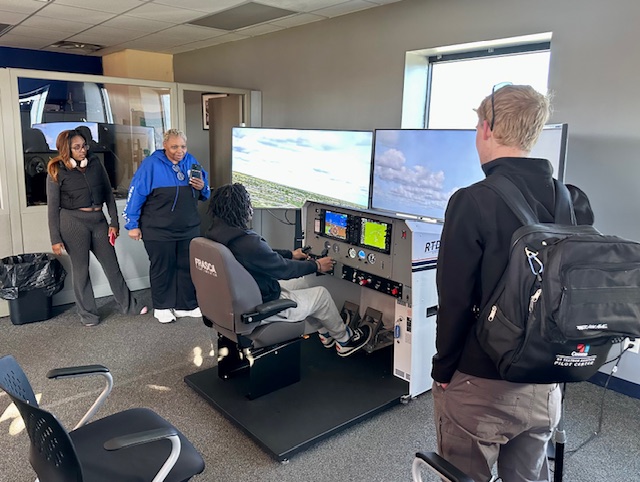
A 2026 PPL Checklist You Can Bring To Your School Visit
When you compare aviation schools in Indiana, bring a checklist that protects your time and budget.
Use these questions during your tour or advising call:
- Eligibility: What do I need before solo, before cross-country, and before the checkride?
- Medical: When should I schedule my FAA medical exam, and which AME resources should I use?
- Training path: Am I a better fit for Part 141 structure or Part 61 flexibility?
- Schedule: How often can I fly each week, and what happens when weather interrupts training?
- Aircraft: Which aircraft will I train in, and how does maintenance planning support availability?
- Ground study: What should I complete before the first few lessons?
- Written exam: When should I take the FAA knowledge test?
- Checkride: How will we plan for DPE availability and document readiness?
- Cost: Can I see an estimate that separates aircraft, instructor, testing, supplies, examiner, and extra proficiency time?
- Next rating: If I continue after PPL, how does the school support instrument and commercial training?
You can bring that list to an Eagle Aircraft advising conversation through our contact page. We will help you turn the checklist into a training plan instead of a pile of disconnected tasks.
FAQ
How long does it take to get a private pilot license in Indiana?
It depends on how often you fly, how prepared you are between lessons, weather, aircraft availability, and checkride timing. A student flying several times per week usually keeps skills sharper than a student flying once every few weeks. Start by comparing schedule options in our Private Pilot Certificate program.
Is a private pilot license the same as a private pilot certificate?
In search and everyday conversation, yes. The FAA term is Private Pilot Certificate. We use both terms because students search for “pilot license Indiana,” but your FAA record will refer to a certificate.
What is the minimum number of flight hours for PPL?
Under Part 61, the airplane private pilot minimum is 40 hours. An approved Part 141 private pilot airplane course can have a 35-hour minimum. Most students should budget beyond the minimum because checkride readiness is based on proficiency, not a simple hour count. Our program overview can help you compare the paths.
Do I need a medical certificate before I start?
You can begin lessons before the medical is complete, but most airplane students need at least a third-class FAA medical before first solo. If you have medical eligibility questions, speak with an Aviation Medical Examiner early. Our team can help you place that step in your training timeline.
How much does a private pilot license cost in Indiana?
The real cost includes aircraft time, instructor time, ground instruction, supplies, FAA testing, DPE fees, medical costs, and extra proficiency hours. For current Eagle Aircraft estimates, contact us so we can separate the line items clearly. Our flight training cost guide also explains the bigger cost drivers.
Can out-of-area students train at Eagle Aircraft?
Yes. Students come to KVPZ from Northwest Indiana, the Chicago metro, and farther away. Student housing can help some out-of-area students stay consistent; contact us through admissions to confirm current availability.
What happens after I earn my private pilot certificate?
Some pilots fly for personal travel and recreation. Career-track students usually continue to Instrument Rating, Commercial Pilot Certificate, and instructor training. If your long-term goal is the airlines, we can help you understand the next milestones without skipping the private pilot foundation.
Start Your Private Pilot Plan In Valparaiso
The private pilot process is easier to start when the steps are visible: eligibility, medical planning, training path, flight hours, written exam, solo work, cross-country requirements, and checkride preparation.
If you want to earn your private pilot license in Indiana in 2026, start with a plan built around your schedule, budget, and goals at KVPZ. Contact the Eagle Aircraft Flight Academy team, and we will help you map the first practical step toward your Private Pilot Certificate.