What Is the Cheapest Way to Become a Pilot in 2026? A Realistic Guide
If we had a nickel for every time someone asked us, “What’s the absolute cheapest way to become a pilot?” we’d probably have enough to buy a new Cessna. It’s a totally fair question; flight school is a major financial commitment.
Chasing the lowest advertised hourly rate isn’t actually how you save money. The real trick is finding the most cost-effective route. Let’s talk about what actually drives up the price of flight training in 2026 and, more importantly, how you can earn your wings without draining your bank account.
The “Cheapest” Path vs. The “Smartest” Path
Do you want to know the number one thing that blows up a student’s budget? Inconsistency. As we talked about in our guide on why student pilots quit, trying to stretch your budget by flying only once every few weeks is a massive trap. If you do that, you’re going to spend the first half of every lesson knocking off the rust and remembering what you did last time. You end up paying your instructor just to relearn faded skills.
The true secret to saving money in aviation is momentum. Getting into a structured, consistent rhythm is always going to be cheaper in the long run than a disjointed, “pay-as-you-go” strategy that drags out for years (which we break down in our pilot training timeline guide).
4 Ways to Actually Save Money on Flight Training
1. Get Into a Structured Part 141 Program
Sure, doing your training under FAA Part 61 gives you a lot of casual flexibility, but if your end goal is flying for a career, a Part 141 program is where you want to be. These programs run on a rigid, FAA-approved syllabus. You always know exactly what you’re doing today, what you’re doing tomorrow, and what you need to pass. There’s no wandering aimlessly through expensive flight hours. At Eagle Aircraft, we lean heavily into Part 141 because it’s simply the most efficient way to get our students to the finish line.
2. Fly 2 to 3 Times a Week
Like we said, momentum is your best friend. If you want to keep costs down, you need to be in the cockpit at least two to three times a week. When you fly that frequently, muscle memory takes over. You retain what you learn, breeze through maneuvers, and hit proficiency way faster. Fewer total hours flown equals thousands of dollars saved.
3. Lock Down Your Funding First
One of the worst things you can do is start your training, run out of cash halfway through your Private Pilot Certificate, and have to pause for six months. When you come back, you’ll be rusty, and it will cost more money to catch back up. Figure out your total budget before you start. Whether it’s through savings or securing a dedicated aviation loan, having the money ready means you can train without hitting the brakes.
4. Become a CFI to Build Your Hours
After you grab your Commercial Pilot Certificate, you still have to hit those airline minimums (usually 1,500 hours) before the airlines will look at you. Paying out of pocket to rent a plane for another 1,200 hours is wildly expensive.
Instead, get your Certified Flight Instructor (CFI) rating. Now, instead of paying the flight school, the school pays you to fly. You log those required hours, earn a paycheck, and master your craft by teaching the next wave of students.
FAQ: Finding an Affordable Path to the Cockpit
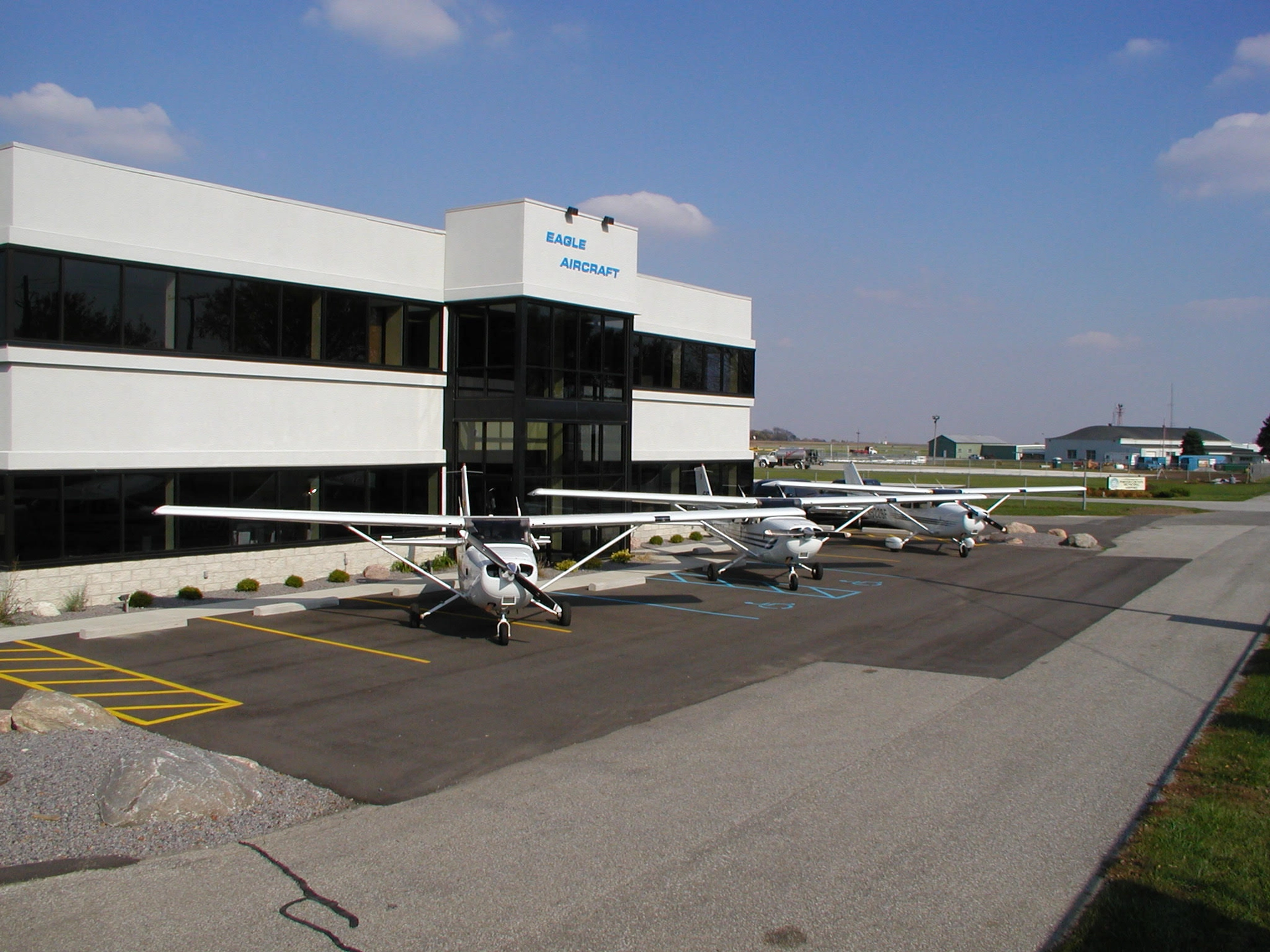
Is it actually cheaper to train at a smaller, non-towered airport? Usually, yes. If you train at a massive international hub, you’re paying by the minute (Hobbs time) just to sit on the taxiway waiting for a line of commercial jets to take off. At our home base, Porter County Regional Airport (KVPZ), you don’t have that problem. We have uncongested skies for the basics, but we’re close enough to Chicago to get you that complex, heavy airspace experience when you’re ready for it.
Can I use VA Benefits or federal student aid? Absolutely. We are a VA-approved school and a Flight Training Affiliate for Liberty University. That means eligible students can tap into their GI Bill® benefits or use traditional federal financial aid through a university degree program. It’s one of the smartest ways to offset the cost.
What matters more: the hourly plane rental rate or the school’s structure? The structure, hands down. A super cheap hourly rental rate doesn’t mean a thing if the school’s disorganization forces you to fly 90 hours for a certificate that should have taken 50. Prioritize a school that has a proven track record of getting students finished efficiently.
Your Smartest Investment Is a Solid Plan
The “cheapest” way to become a pilot isn’t about hunting down the lowest aircraft rental fee in the state. It’s about finding the most direct, well-organized path to your license. Combine a structured syllabus with consistent flying and your financing lined up, and you’ll save yourself thousands of dollars and months of frustration.
Ready to build a plan that actually makes sense for your budget?