Why Student Pilots Quit (And How Eagle Aircraft Helps You Finish Strong)

Every year, thousands of people get bitten by the aviation bug, but a huge percentage of them start flight training and never actually get their license.
Most of the time, it has absolutely nothing to do with talent or passion. People quit because they run into the same few roadblocks that quietly derail their progress.
If you’re gearing up for flight school, knowing exactly what these hurdles are is half the battle. Let’s break down why so many student pilots end up throwing in the towel, and how you can set yourself up to cross the finish line.
The Reality Check: Why So Many Don’t Finish
Earning your wings takes time, energy, and money. When the day-to-day grind of training doesn’t match up with the highlight reel in your head, it’s easy to lose steam. Here are the most common traps:
1. You Aren’t Flying Enough
This is easily the number one killer of pilot dreams. If you’re only getting up in the air once every few weeks, you’re going to spend half of every lesson knocking the rust off from the last one. You end up paying to re-learn faded skills instead of moving forward. It’s frustrating, it kills your momentum, and it makes the whole process cost way more than it needs to.
2. You Don’t Have a Clear Goal
A lot of people start out just wanting to “see what it’s like.” There’s nothing wrong with a discovery flight to test the waters, but without a firm goal in mind, like flying for the airlines, hitting a personal milestone, or eventually buying your own plane, it’s incredibly easy to justify quitting the second things get difficult.
3. The Money Runs Out
Many students try to “pay as they go” without looking at the total budget. When money gets tight, the first thing they do is pause their training. But as we just covered, pausing means your skills decay. When you finally resume, you have to spend more money just to catch back up. A solid financial plan, including understanding flight school loans, is essential.
4. Hitting the Burnout Wall
The aviation learning curve is practically vertical at times. Between mastering steep turns, memorizing FAA regulations, and prepping for checkrides, feeling overwhelmed is completely normal. On the flip side, if you stretch your training out for years, it starts to feel like a chore. You have to find the right pace to avoid burning out.
5. Doing It All Alone
Learning to fly can feel pretty lonely if you don’t have the right crowd around you. If you’re struggling with crosswind landings and don’t have classmates or a good instructor to talk it through with, you’ll feel like you’re the only one who doesn’t “get it”.
Your Flight Plan to Actually Finish
The good news? You can easily avoid these traps if you go in with a solid game plan.
1. Guard Your Flight Schedule
Try to get in the air two to three times a week. Flying consistently is the best way to keep your muscle memory sharp and build real confidence. Momentum is everything in this game.
2. Figure Out Your “Why”
Before you log your first hour, figure out what you actually want out of this. Are you aiming for a regional airline seat? Do you just want to take your family on weekend trips with a Private Pilot Certificate? Knowing exactly why you’re putting yourself through the tough lessons will keep you anchored when you get frustrated.
3. Budget for the Whole Ride
Factor in instructor fees, ground school materials, a good headset, and the examiner’s fee for your checkride. Figure out how you’ll pay for the entire certificate before you start. Having the money sorted out lets you focus purely on flying.
4. Get Into a Structured Program
FAA Part 141 programs give you a rigid, step-by-step roadmap so you always know exactly where you stand and what’s coming next. It stops you from wandering aimlessly through your flight hours.
5. Lean on the Community
Talk to your instructors, ask a million questions, and get to know the other students. Hearing that someone else is also struggling with their radio calls will remind you that you aren’t alone.
How Eagle Aircraft Has Your Back
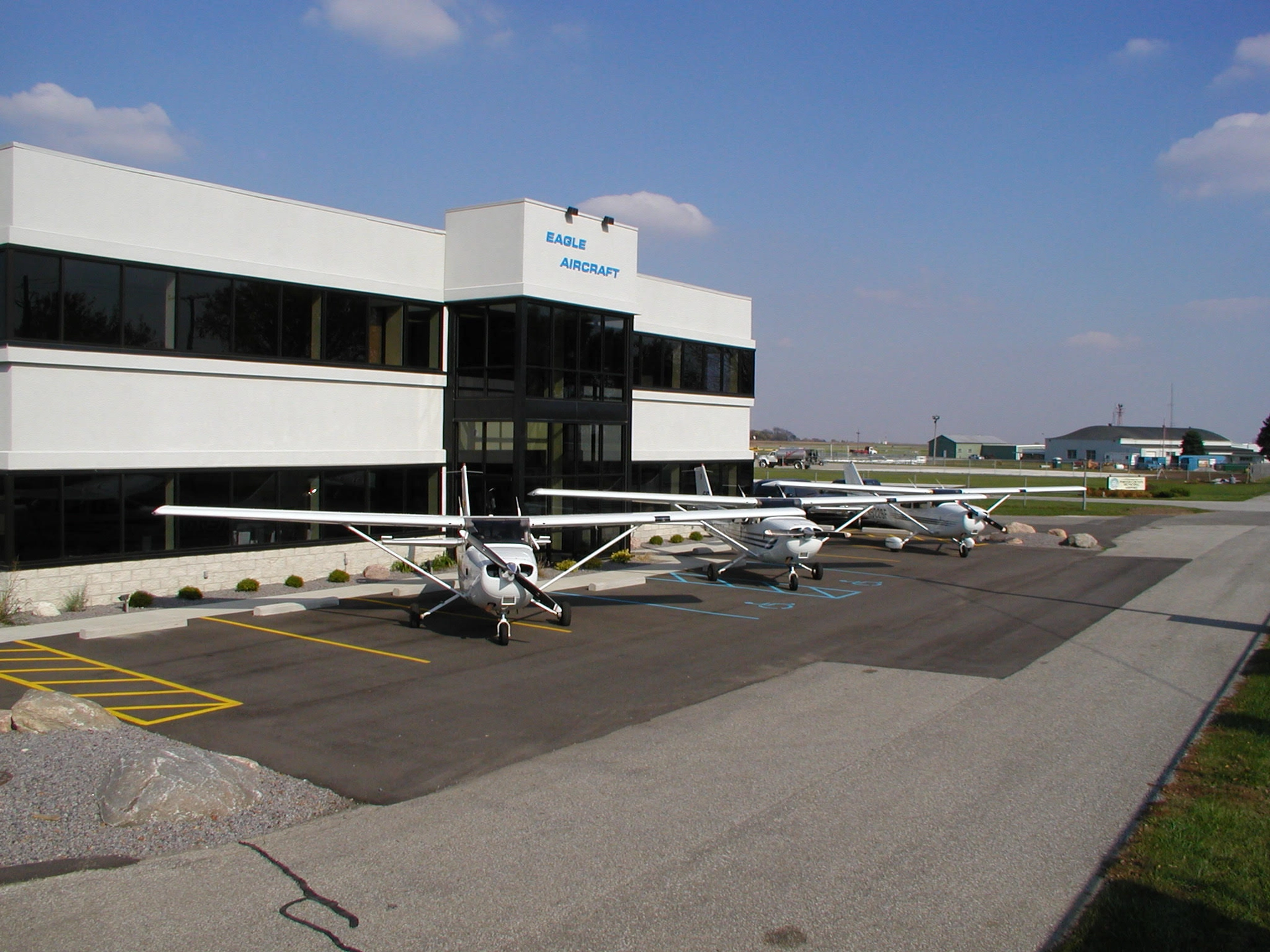
At Eagle Aircraft Flight Academy, we’ve seen all these challenges firsthand. We built our flight school around solving them so our students actually finish what they start.
- No Guesswork: Our FAA Part 141 approved programs give you a straight, highly efficient path from Private Pilot all the way to Airline Transport Pilot. You’ll never show up to a lesson wondering what you’re doing that day.
- Instructors Who Care: Our Certified Flight Instructors (CFIs) aren’t just here to build their own hours; they are invested in getting you your license. They provide the mentorship and accountability you need to keep showing up.
- Real Financial Planning: We map out the real cost of training from day one. We also walk you through financing options, VA benefits, and our Liberty University degree partnership so you aren’t hit with surprise expenses later.
- An Awesome Community at KVPZ: Porter County Regional Airport in Valparaiso is a great place to learn. You aren’t just a number here; you’re joining a tight-knit community of domestic and international students who want to see each other succeed.
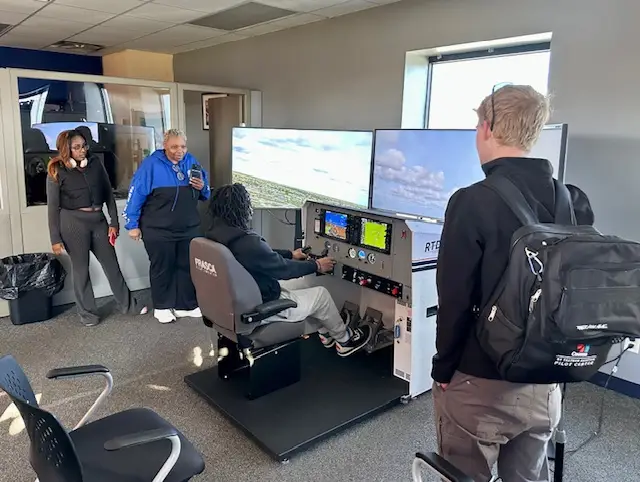
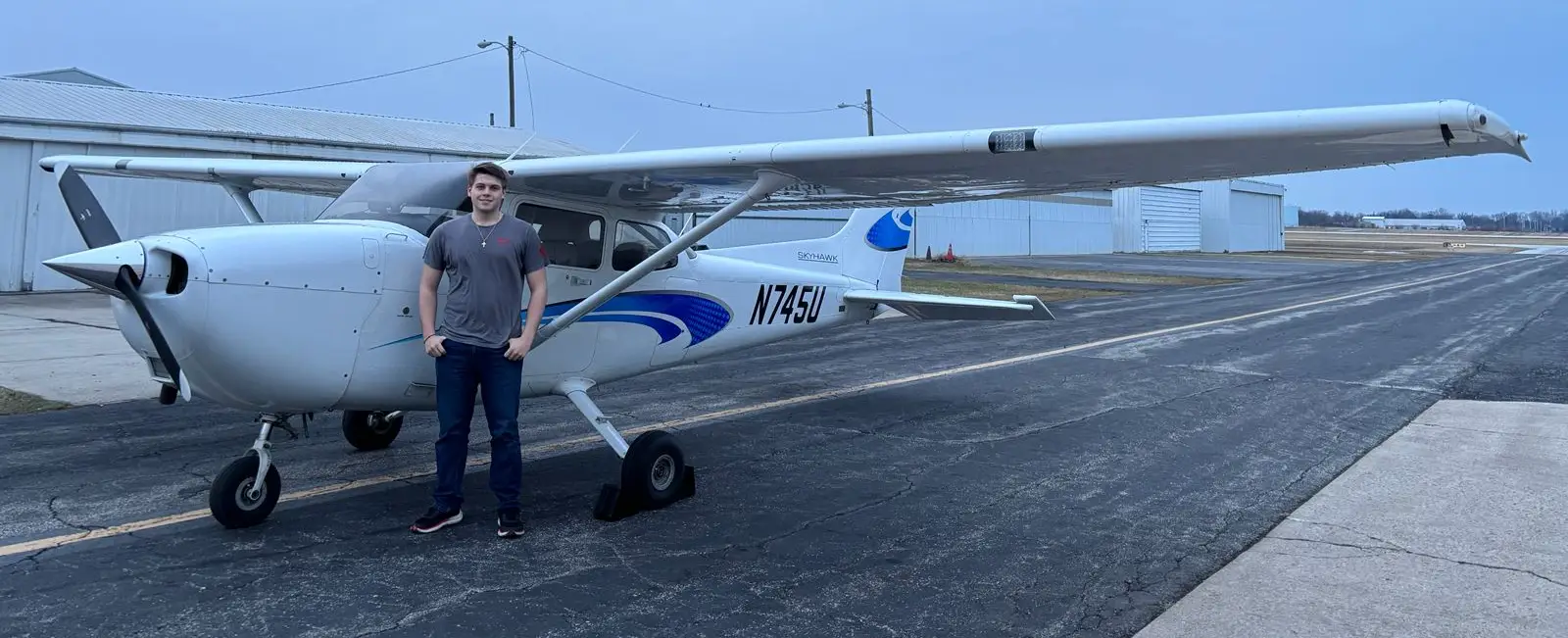
- Reliable Planes and Simulators: Between our well-maintained fleet of Cessnas and our advanced Elite simulators, you have reliable equipment that won’t hold up your schedule.
A Few Common Questions
Is flight school really that hard? It takes work, but probably not in the way you think. The flying itself just takes practice. The real challenge is finding the discipline to study the ground material consistently. If you can commit the time, it’s absolutely achievable.
How can I make flight training more affordable? Fly consistently so you aren’t paying to relearn things. Look heavily into aviation scholarships, dedicated flight training loans, and VA benefits. Picking a school with a structured Part 141 program will also keep your required hours (and costs) to a minimum.
What if I just can’t get a specific maneuver right? Every single pilot has that one maneuver that drives them crazy. If you get stuck, talk to your instructor. A good CFI will try teaching it a different way, or they might suggest jumping in the simulator to practice it without the stress of burning fuel.
The Cockpit is Waiting
Earning your pilot’s license is entirely within your reach. By knowing exactly what causes most students to quit, you can sidestep those roadblocks and cross the finish line as a safe, confident pilot.
Don’t let completely avoidable mistakes keep you on the ground.