Why Most Student Pilots Drop Out (And How to Avoid It)

Becoming a pilot is a dream shared by thousands of people every year.
Yet statistically, most student pilots never finish their training.
This isn’t because they aren’t capable.
It’s rarely because they “weren’t cut out for flying.”
The real reasons are far more practical—and avoidable.
Let’s break down why student pilots quit, and more importantly, how to make sure you’re not one of them.
The Hard Truth: Most Dropouts Happen Early
The majority of student pilots who quit do so:
- Before solo
- During Private Pilot training
- Or shortly after earning their first certificate
Once students pass those early stages with momentum, completion rates increase dramatically.
So what goes wrong?
Reason #1: Inconsistent Training
This is the number one reason student pilots drop out.
Flying once every two or three weeks leads to:
- Relearning instead of progressing
- Frustration and self-doubt
- Higher overall costs
- Slower skill development
Skills fade quickly when not reinforced. Confidence disappears even faster.
❌ Flying “when you can”
✅ Flying on a structured schedule
Consistency beats talent every time.
Reason #2: No Clear End Goal
Many students start flight training with:
“I just want to see if I like it.”
That mindset often leads to:
- No timeline
- No budget plan
- No accountability
- Easy excuses to stop
Successful students know why they’re flying:
- Airline career
- Corporate aviation
- Personal achievement
- Life-long passion
Clarity creates commitment.
Reason #3: Financial Stress From Poor Planning
Flight training isn’t cheap—but poor planning makes it far more expensive.
Common mistakes:
- Paying as you go without a strategy
- Long breaks due to budget surprises
- Repeating lessons due to skill regression
- Restarting after months away
Ironically, many students quit after already spending thousands, simply because the process wasn’t optimized.
Reason #4: Training at the Wrong Pace
Too slow:
- Skills decay
- Motivation drops
- Costs rise
Too fast:
- Overwhelm
- Burnout
- Mental fatigue
The key is structured intensity, not chaos.
Reason #5: Lack of Accountability
Self-paced training sounds flexible—but flexibility often becomes procrastination.
Students who succeed usually have:
- Defined schedules
- Instructor continuity
- Milestones and expectations
- External accountability
Flying is a discipline. Disciplines thrive with structure.
How to Avoid Becoming a Statistic
Here’s what successful pilots do differently:
1. Train Consistently
Fly multiple times per week whenever possible.
Momentum is everything.
2. Follow a Clear Path
Know where you’re going before you start:
- Private → Instrument → Commercial → Instructor → Airlines
3. Budget Strategically
Plan for the entire program—not just the first certificate.
4. Choose a School That Thinks Long-Term
Not all flight schools are career-focused. Some just rent airplanes.
How Eagle Aircraft Flight Academy Sets Students Up for Success
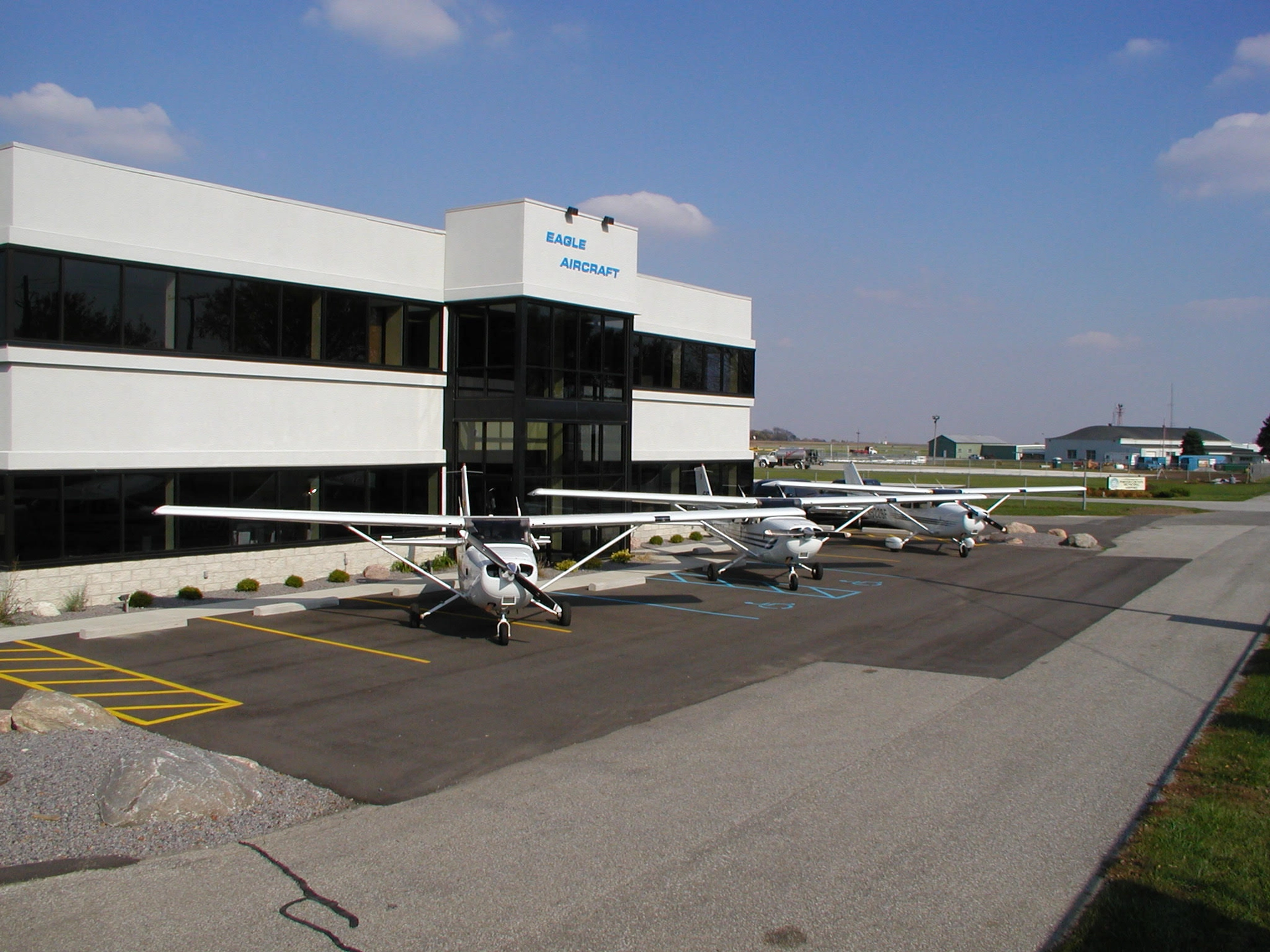
At Eagle Aircraft, training is designed to prevent dropout, not react to it.
Our approach emphasizes:
- Structured schedules
- Defined milestones
- Instructor continuity
- Career-oriented guidance
- Efficient use of time and money
We don’t believe in dragging training out.
We believe in finishing strong.
Most Students Don’t Quit Flying—They Quit Frustration
When flight training is:
- Clear
- Structured
- Consistent
- Purpose-driven
Students don’t just stay—they thrive.
✈️ Thinking About Starting Flight Training?
Make sure you start the right way.
👉 Talk With Our Team
👉 Schedule a Discovery Flight
Avoid the mistakes that stop most pilots before they ever leave the ground.