Flying in the Soup: What Student Pilots Should Know About IMC
Flying in the Soup Explained: What Student Pilots Need to Know About IMC
If you’ve spent time around pilots or flight instructors, you’ve probably heard the phrase “flying in the soup.”
It may sound casual, but in aviation, the “soup” refers to one of the most critical and demanding environments a pilot can face.
Understanding what it means, why it matters, and how pilots train for it is essential for any student pilot serious about safety and career progression.
What Does “Flying in the Soup” Mean?
“Flying in the soup” is pilot slang for flying in Instrument Meteorological Conditions (IMC) — weather conditions where:
- Visibility is severely reduced
- Clouds obscure the horizon
- Outside visual references are unreliable or nonexistent
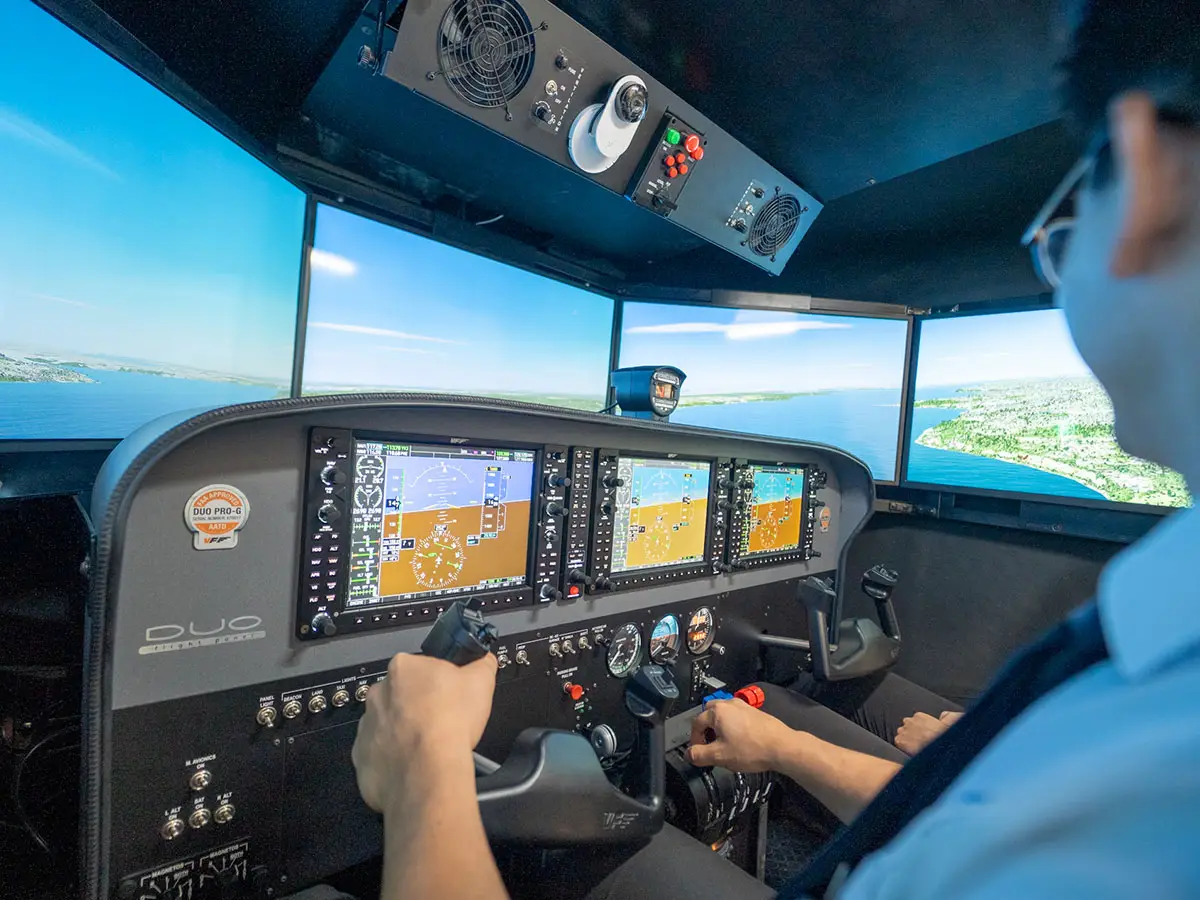
In the soup, pilots cannot rely on what they see outside. Instead, they must fly entirely by reference to the aircraft’s instruments.
IMC vs VMC: The Critical Difference Every Pilot Must Know
Weather conditions in aviation fall into two main categories:
Visual Meteorological Conditions (VMC)
- Clear visibility
- Defined cloud clearance
- Pilots fly using outside visual references
- Required for VFR (Visual Flight Rules) operations
Instrument Meteorological Conditions (IMC)
- Low ceilings, clouds, haze, or reduced visibility
- No usable visual horizon
- Requires IFR (Instrument Flight Rules) and proper training
⚠️ VFR pilots are not trained or legally permitted to fly in IMC.
Why Flying in the Soup Is Dangerous for Untrained Pilots
One of the most common causes of fatal general aviation accidents is VFR flight into IMC.
Here’s why it’s so dangerous:
- The human inner ear cannot sense constant turns or acceleration
- Pilots can feel “level” while actually banking or descending
- This leads to spatial disorientation
- Loss of aircraft control can occur in under a minute
This is why instructors emphasize:
Trust your instruments — not your senses.
How Instrument Training Prepares You for the Soup
Instrument training fundamentally changes how pilots think and fly.
During structured instrument training, students learn to:
- Fly precise headings, altitudes, and airspeeds
- Interpret weather reports, forecasts, and radar
- Execute instrument departures, enroute procedures, and approaches
- Manage workload under pressure
- Make safer go/no-go decisions
Instead of fearing clouds, pilots gain confidence, discipline, and control.
Is Flying in IMC Common in Real-World Aviation?
Yes — far more common than many student pilots expect.
Pilots regularly encounter IMC due to:
- Morning coastal clouds
- Low ceilings
- Haze, smoke, or mist
- Rapid weather changes enroute
Professional pilots don’t avoid IMC — they are trained to operate safely within it.
Do You Need an Instrument Rating to Be a Safe Pilot?
Legally, private pilots can fly VFR without an instrument rating.
Practically, instrument training dramatically increases safety margins.
Weather doesn’t care about your certificate level, and conditions can change quickly.
Pilots with instrument training are far better equipped to:
- Handle unexpected conditions
- Avoid panic and disorientation
- Make smart, conservative decisions
Why Instrument Training Feels Challenging for Many Students
Instrument training is often a turning point in flight school. Many students struggle because of:
- Infrequent lessons
- Long gaps between flights
- Lack of a clear training structure
- Information overload
Students who train consistently and efficiently progress faster and retain skills more effectively.
This is where structured and accelerated programs make a real difference.
The Big Takeaway
“Flying in the soup” isn’t something pilots should fear — it’s something they must understand, respect, and prepare for.
With proper training:
- Weather becomes manageable, not intimidating
- Confidence replaces uncertainty
- Safety and professionalism increase dramatically
The best pilots aren’t the ones who avoid challenging conditions —
they’re the ones who are trained to handle them correctly.
Train Smarter. Fly Safer.
If you’re serious about becoming a confident, capable pilot, structured training matters.
Learn more about Eagle Aircraft Flight Academy on our About Page
or contact our team directly at /about/contact.
Because real-world flying demands real preparation.