What Your First 10 Hours of Flight Lessons in Indiana Actually Look Like
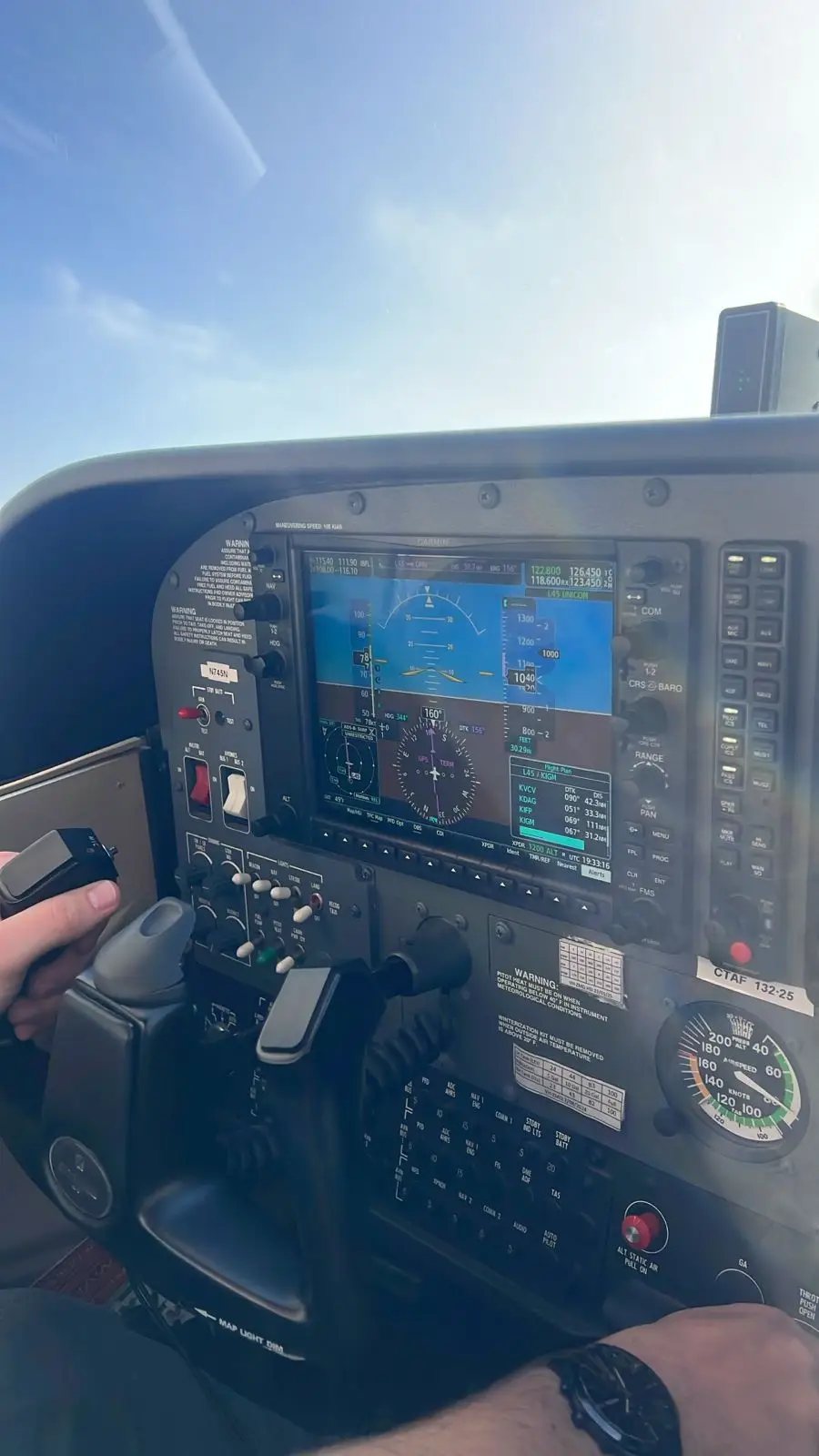
Stepping out onto the ramp for your first formal flight lessons in Indiana is an experience filled with equal parts adrenaline, curiosity, and natural nervous anticipation. You walk out toward a training aircraft, hear engines purring in the distance, and realize that within minutes, your own hands will be holding the flight controls.
For many prospective pilots, the hardest part of beginning flight school is simply not knowing what to expect. Movies and flight simulators make flying look either impossibly technical or deceptively effortless, leaving beginner aviators wondering whether they will be overwhelmed by radio chatter, gauges, and aerodynamics on day one.
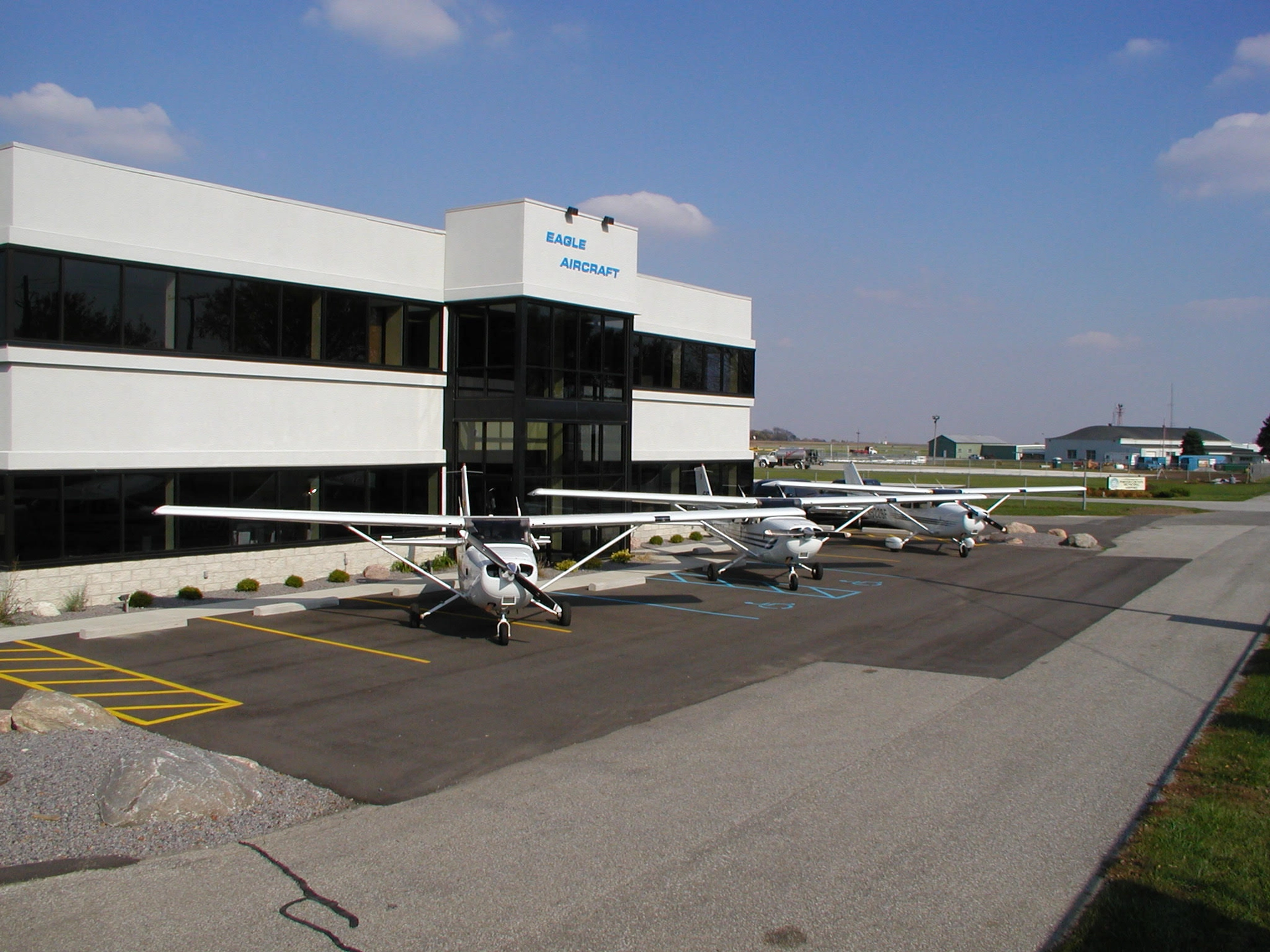
At Eagle Aircraft Flight Academy at Porter County Regional Airport (KVPZ), we design our training curriculum around progressive, confidence-building steps. You never face an unexpected maneuver alone, because an experienced Certified Flight Instructor sits right beside you on dual controls. To help you prepare mentally and logistically for your training, here is the realistic milestone breakdown of what your first 10 flight hours actually look like in the cockpit.
Hours 1 to 3: The Four Flight Fundamentals and Aircraft Preflight
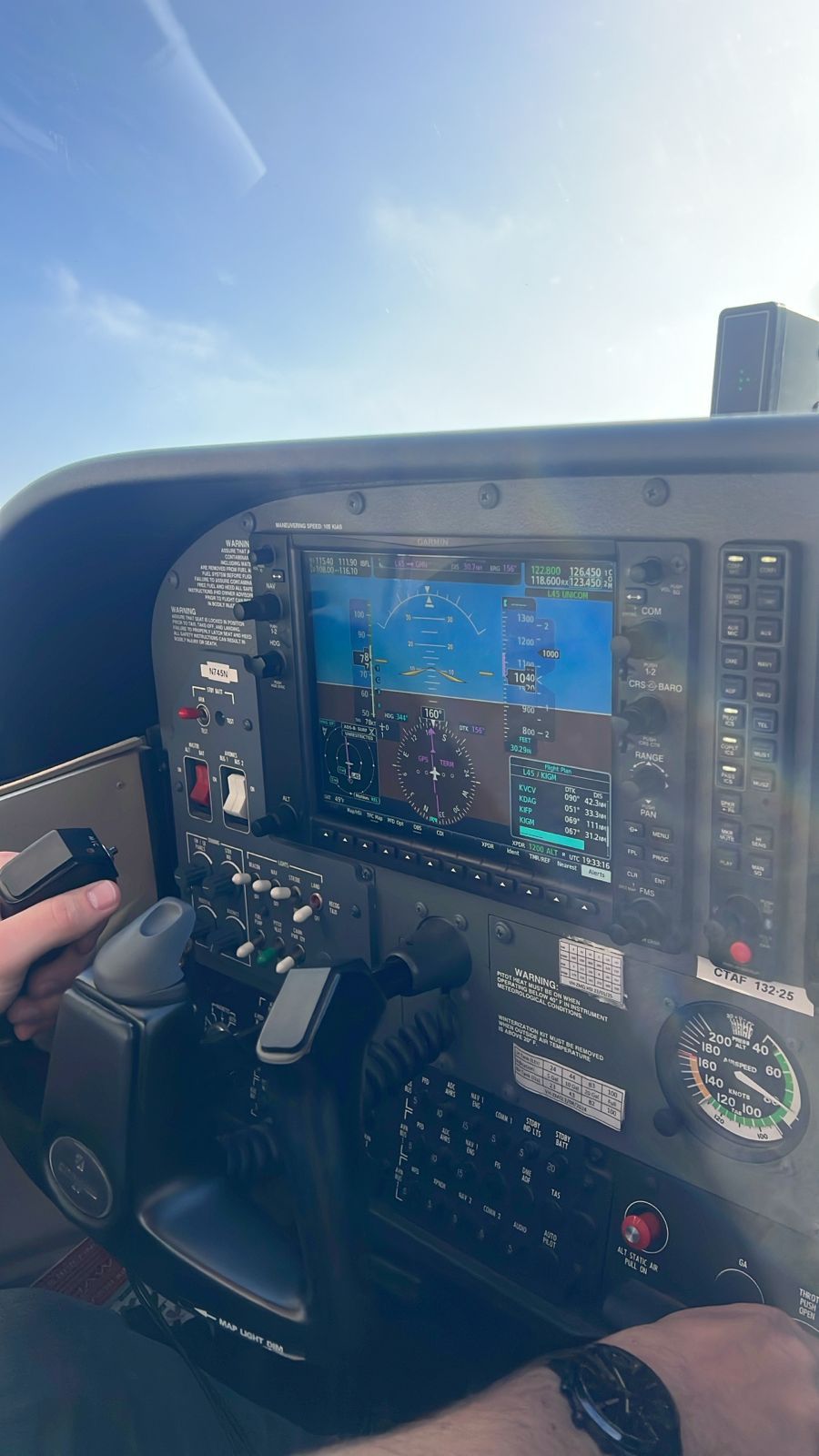
Your first three hours in the airplane are all about building comfort, sensory awareness, and basic aircraft command. Before you even turn an engine key, your instructor teaches you the foundations of aviation safety:
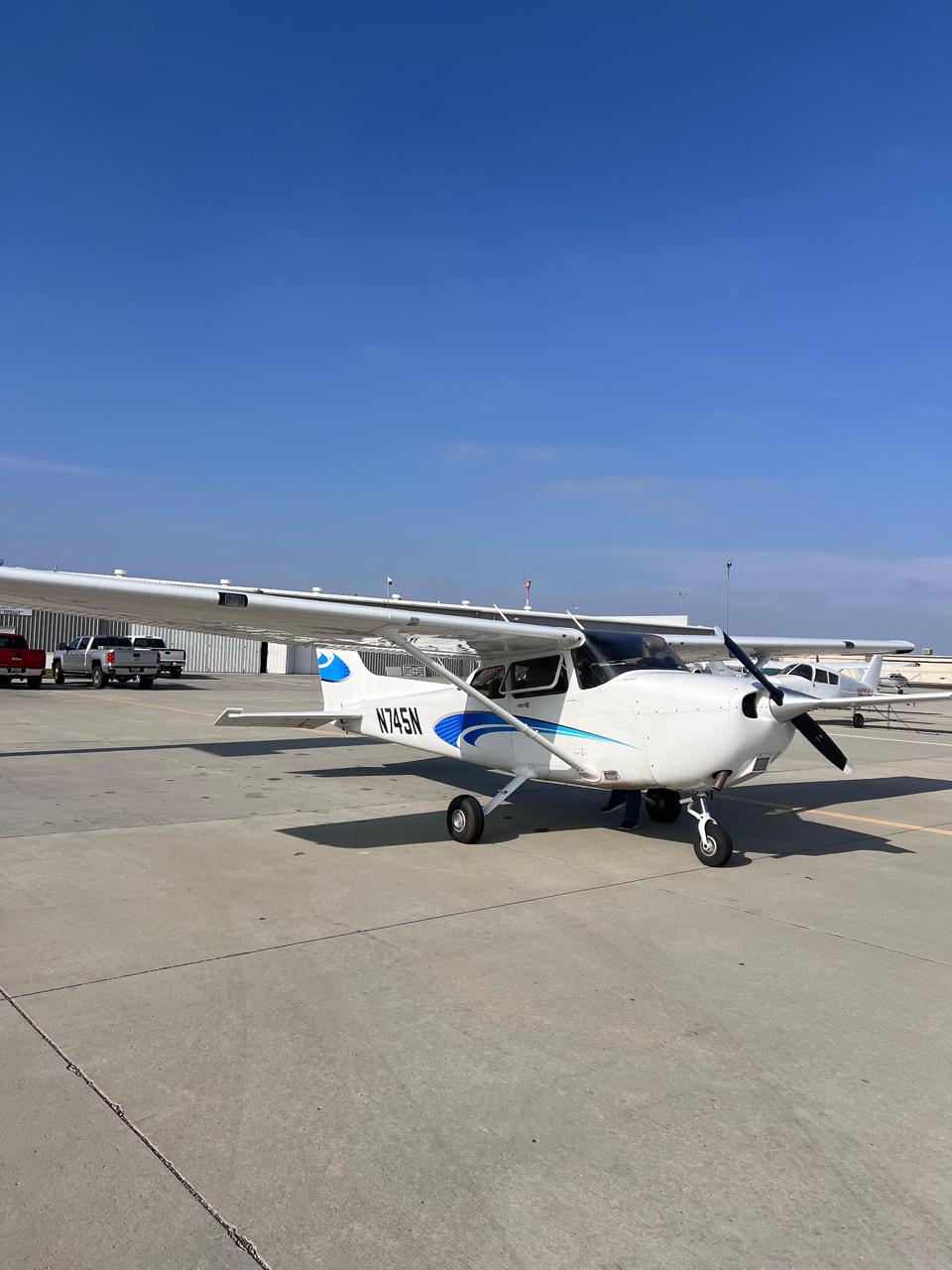
- The Preflight Inspection: Walking around the aircraft with a detailed checklist, checking fuel quality with a sampling cup, verifying oil levels, checking control surfaces for free and correct movement, and inspecting the propeller and landing gear.
- Engine Start and Taxi Practice: Starting the Lycoming engine, listening to the automated weather broadcast (AWOS), and learning how to steer an airplane on the ground using rudder pedals and differential braking rather than turning the control yoke like a car steering wheel.
- The Four Flight Fundamentals: Once airborne in the local practice area, you practice the four fundamental flight maneuvers: straight-and-level flight, standard-rate turns, climbs, and descents. You learn to scan outside the cockpit window to maintain the aircraft pitch attitude relative to the natural horizon.
By the end of hour three, the cockpit feels noticeably less foreign, and you begin anticipating the physical feedback of the controls as airspeed changes.
Hours 4 to 6: Slow Flight, Stalls, and Emergency Confidence
During hours four through six, your instructor begins introducing maneuvers that demystify the aerodynamics of lift and build deep instinctive confidence. Many beginner students fear the word stall, imagining that the engine cuts off or the plane plummets from the sky.
In aviation training, a stall has nothing to do with the engine, it simply means the wing has exceeded its critical angle of attack:
- Slow Flight Mastery: Flying the aircraft at minimum controllable airspeed with full flaps and high engine power, learning how the rudder and ailerons feel mushy and how to use rudder pedals to keep the wings level.
- Power-Off Stalls (Landing Configuration): Simulating an approach to landing, pitching the nose up until the aerodynamic buffet occurs and the stall warning horn sounds, then immediately lowering the nose, applying full power, and climbing away cleanly.
- Power-On Stalls (Takeoff Configuration): Simulating an aggressive climb attitude on departure, recognizing the early warning cues, and practicing prompt recovery procedures.
- Emergency Checklist Drills: Your instructor simulates an engine failure by pulling the throttle to idle, teaching you to glide at best-glide speed, select an open field, and run your emergency restart checklists systematically.
Experiencing these maneuvers under expert supervision transforms anxiety into genuine pilot command, proving to you that the airplane remains completely controllable when flown by the numbers.
Hours 7 to 10: Airport Traffic Patterns and First Landings
Between hours seven and ten, your training shifts from the open practice area directly into the airport traffic pattern at KVPZ. This is where your landings begin taking shape as you repeat rectangular circuits around the runway.
Each trip around the traffic pattern involves precise cognitive multitasking:
- Standard Pattern Legs: Climbing out on departure leg, turning crosswind, leveling off at 1,000 feet above ground level on the downwind leg, pulling power opposite the runway numbers, turning base, and rolling onto final approach.
- Radio Communication: Learning standard non-towered radio phrases on the Common Traffic Advisory Frequency (CTAF), announcing your position clearly to other pilots in the pattern.
- Stabilized Approaches and the Flare: Establishing a stable glide path, maintaining your target airspeed with pitch, controlling descent rate with throttle, and transitioning into the ground-effect flare for a smooth touchdown on the main landing gear.
- Touch-and-Go Repetitions: Applying full power immediately after landing, accelerating down the runway, and lifting off again to practice another landing approach.
By hour ten, you are handling the majority of the landing process with minimal verbal assistance from your CFI, laying the essential groundwork for your upcoming first solo flight.
If you are comparing different flight schools before committing, read our guide to evaluating Indiana flight schools in 2026 to evaluate program structures and fleet standards.
The Medical Certificate and Solo Preparation
As you complete your first ten flight hours, you will begin preparing administratively for your upcoming solo endorsement. While you can take dual flight instruction without an FAA medical certificate, you must hold at least an FAA Third-Class Medical Certificate and a Student Pilot Certificate before your instructor can legally step out of the airplane and let you fly alone.
Scheduling your exam with a local Aviation Medical Examiner (AME) early in your training ensures that you avoid administrative delays when your flying skills are ready for solo flight.
Throughout our private pilot certificate program, our instructors and dispatch staff assist you with IACRA account registration and medical scheduling so you stay ahead of every requirement.
Taking Your Place in the Pilot Seat
The first ten hours of flight lessons transform you from an outside observer into an active pilot in command who understands how an airplane thinks, feels, and responds in the air. Each hour logged is permanent credit in your FAA logbook toward your certificate.
At Eagle Aircraft Flight Academy, our fleet of Cessna 172s and modern Tecnam cruisers, combined with our dedicated flight instructors at Porter County Regional Airport, provide the supportive training environment you need to thrive.
If you are ready to see what flying feels like from the pilot seat, we invite you to book your first discovery flight today and begin your journey toward private pilot wings.