How to Choose Flying Classes in Chicago: A Beginner's Step-by-Step Checklist
If you are ready to stop watching airplanes pass overhead and start taking flying classes in Chicago, the sheer number of training options across Northern Illinois and Northwest Indiana can feel overwhelming. You quickly realize that learning to fly is not like signing up for an evening college course or a gym membership: it is a significant investment of your time, finances, and personal commitment.
Every flight school promotes its passion for aviation, but the actual day-to-day training experience varies dramatically from one hangar to the next. The difference between an organized, supportive flight academy and an unstructured flight club often determines whether you earn your private pilot certificate on schedule or end up among the frustrating national statistics of student pilots who drop out before their first solo.
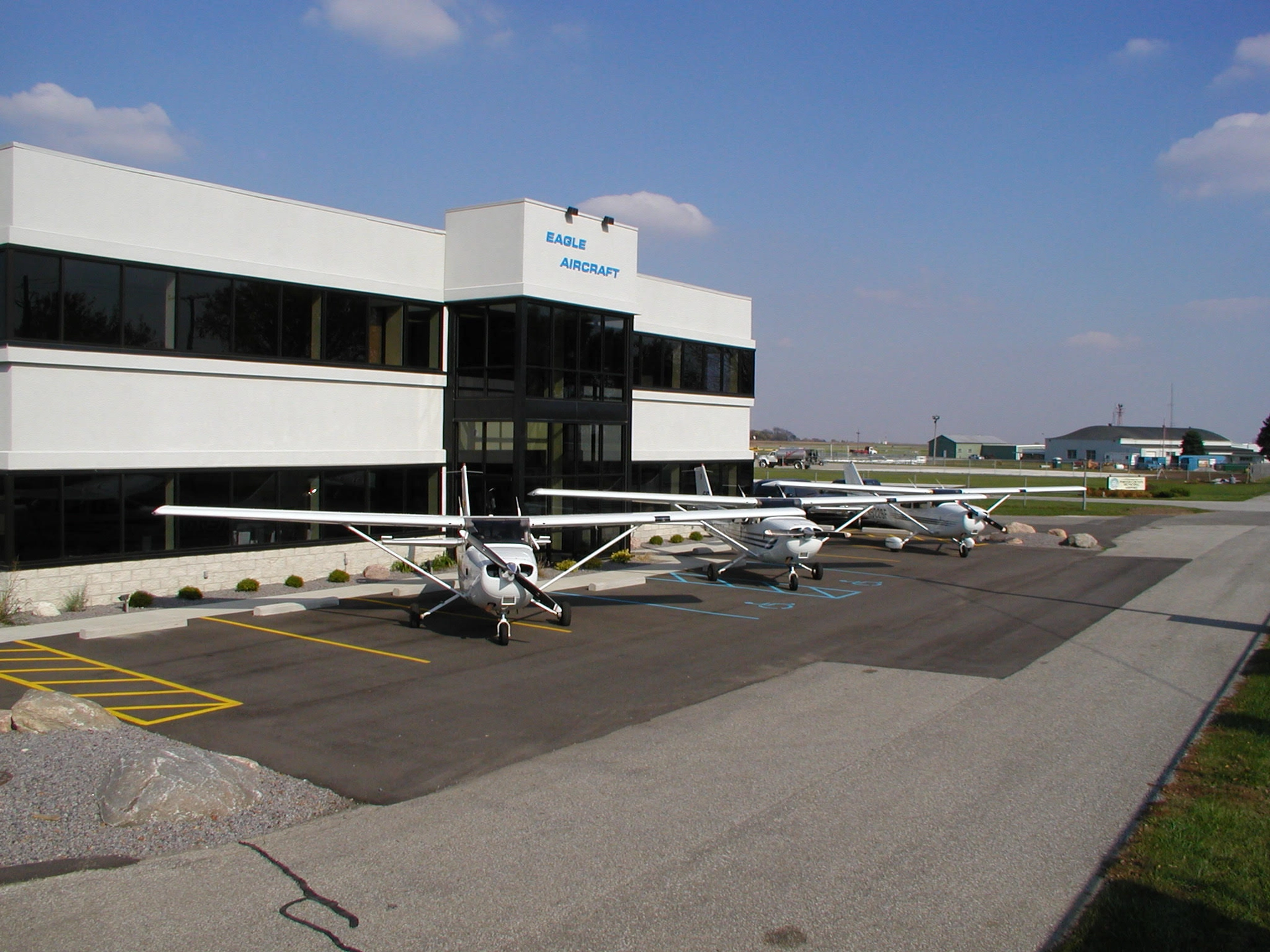
At Eagle Aircraft Flight Academy, our instructors guide new students through this exact evaluation process every week. Whether you intend to train with us at Porter County Regional Airport (KVPZ) or are weighing options across Chicagoland, this step-by-step evaluation checklist will give you the practical questions to ask before booking your first formal lesson.
Deciding Between Part 61 and Part 141 Training Structures
The first major decision you will encounter is choosing between FAA Part 61 and Part 141 training regulations. Both paths lead to the exact same FAA Private Pilot Certificate and require passing the identical Airman Certification Standards (ACS) practical test with an FAA Designated Pilot Examiner (DPE).
Understanding how each structure aligns with your lifestyle is essential to your progress:
- Part 141 Structured Curriculums: Part 141 flight academies operate under rigorous FAA-approved syllabi with strict stage checks, structured lesson modules, and formal oversight. This framework is ideal for career-track students, college affiliates, and anyone who learns best with structured milestones and consistent accountability.
- Part 61 Flexible Instruction: Part 61 allows instructors to adapt lesson order based on individual pacing, work schedules, or seasonal weather. It offers excellent flexibility for busy working professionals who cannot commit to rigid weekly academic schedules.
At Eagle Aircraft, we offer both Part 141 and Part 61 options, giving our students the flexibility to select the learning pace that fits their personal goals without sacrificing syllabus quality.
Inspecting Aircraft Availability and Fleet Maintenance
A flight school can have outstanding marketing, but if its airplanes are frequently grounded for unscheduled maintenance, your flying schedule will quickly stall. Consistency is the single biggest factor in developing muscle memory during early landings, stalls, and crosswind practice.
When you tour a flight facility, look closely at how the fleet is managed:
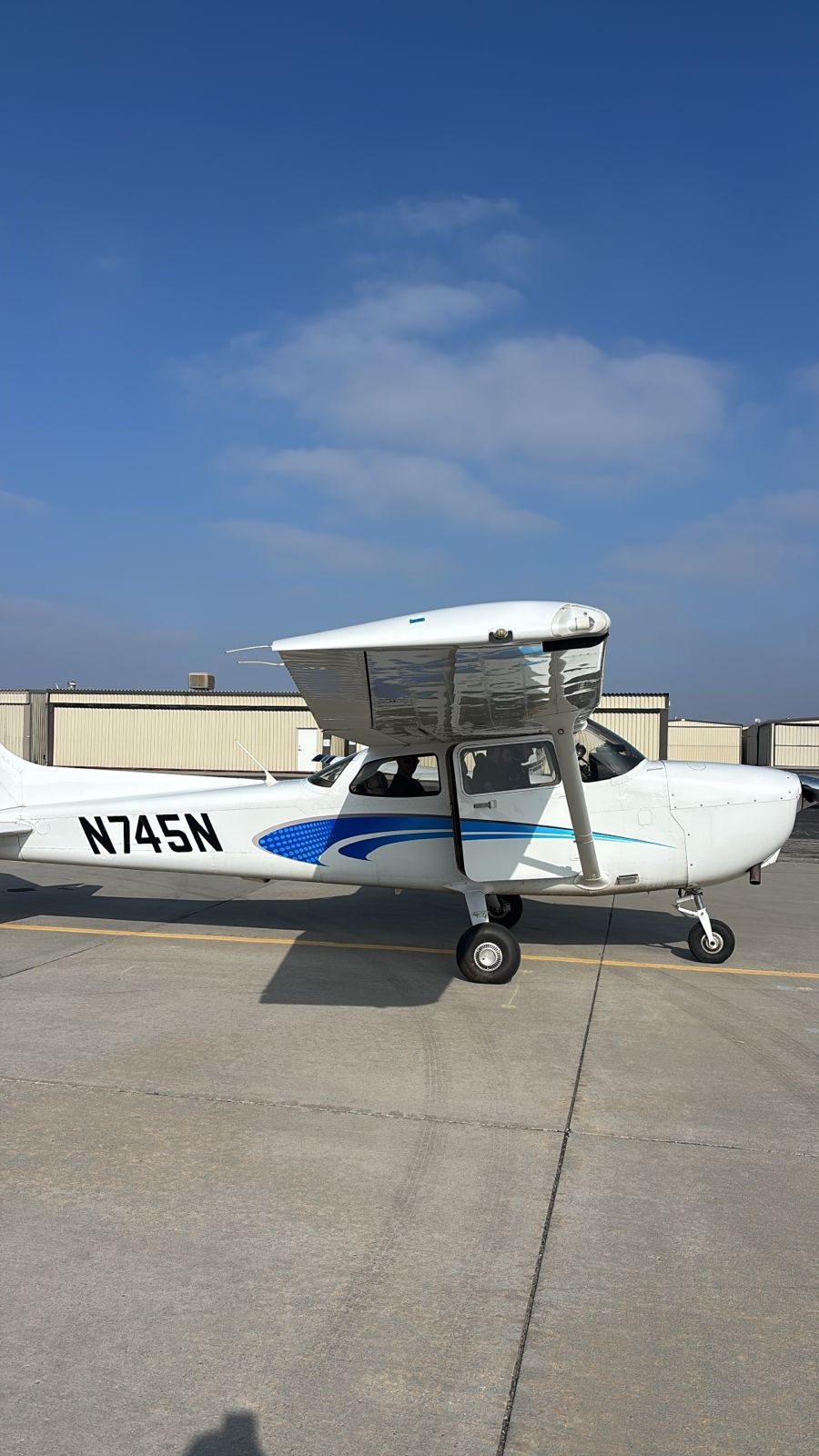
- Fleet Depth and Backup Airplanes: If a school only operates one or two training aircraft, a routine 100-hour inspection or minor avionics repair can cancel your lessons for two weeks. Look for schools that maintain multiple aircraft of the same make and model, such as our fleet of Cessna 172s and Tecnam cruisers.
- Avionics Familiarity: Are you training on traditional analog six-pack instruments or modern Garmin glass cockpits? Learning on reliable glass displays like Garmin G1000 or G5 units builds modern situational awareness and prepares you for advanced ratings.
- On-Site Maintenance Staff: Schools with full-time on-site airframe and powerplant (A&P) mechanics resolve minor squawks in hours rather than waiting days for mobile maintenance contractors.
If you are commuting from Cook County or the south suburbs, be sure to review our comparison of Chicago and Northwest Indiana flight training airspace to see how local airport operations impact your weekly hobbs time.
Uncovering the True Cost Structure and Hidden Fees
One of the most frequent traps new students face is comparing flight schools based solely on advertised hourly aircraft rental rates. A school advertising a cheap dry rate can easily end up costing substantially more per lesson once hidden add-ons are tallied.
Before signing an enrollment agreement, demand complete billing transparency:
- Wet Rate vs Dry Rate: Wet aircraft rental rates include aviation fuel, while dry rates require you to pay for fuel separately. Ensure you know whether hourly quotes reflect current fuel prices.
- Preflight and Postflight Briefing Fees: Instructors provide critical ground briefings before and after every flight. Clarify how briefing time is billed so your account remains predictable.
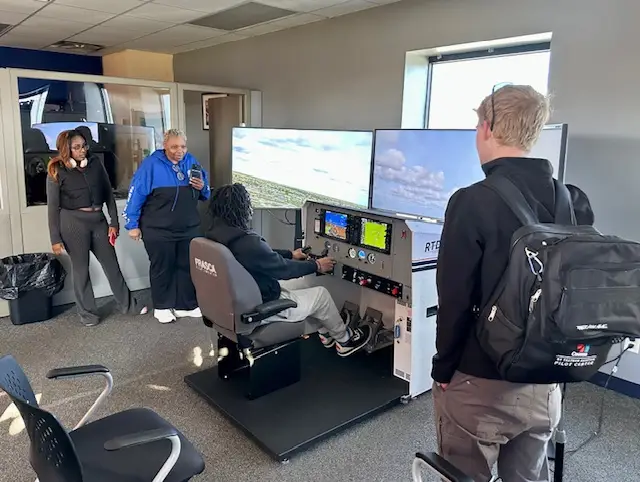
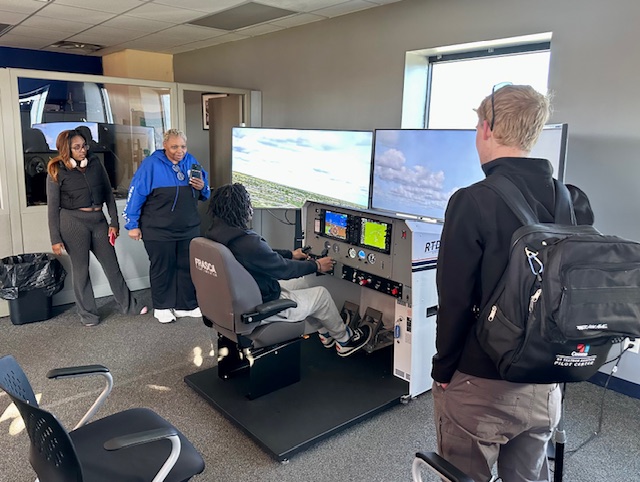
- Simulator Integration: Flight training devices like our FAA-approved Elite PI-1000 simulator allow you to master procedures and emergency checklists at a fraction of the hourly cost of burning avgas in the sky.
For a comprehensive line-item review of total expected costs across the region, explore our full 2026 Chicago flight training cost breakdown to plan your training budget accurately.
Evaluating Instructor Continuity and Mentorship
Your relationship with your Certified Flight Instructor (CFI) will shape your confidence and safety culture in the cockpit. Constantly switching instructors forces you to repeat maneuvers so each new CFI can evaluate your baseline skills, inflating your total logged hours.
Ask direct questions about instructor scheduling and mentorship:
- Instructor Availability: Does your primary instructor work full-time or only on weekends? Can your schedule align with theirs for at least two to three lessons per week?
- Standardized Stage Checks: Under our Part 141 programs, independent chief instructors conduct objective stage checks to ensure your training remains on track, giving you fresh feedback while keeping your primary instruction consistent.
- Safety Culture and Mutual Trust: You should feel comfortable asking questions, debriefing mistakes without judgment, and actively discussing aeronautical decision-making on every flight.
Booking Your First Trial Lesson
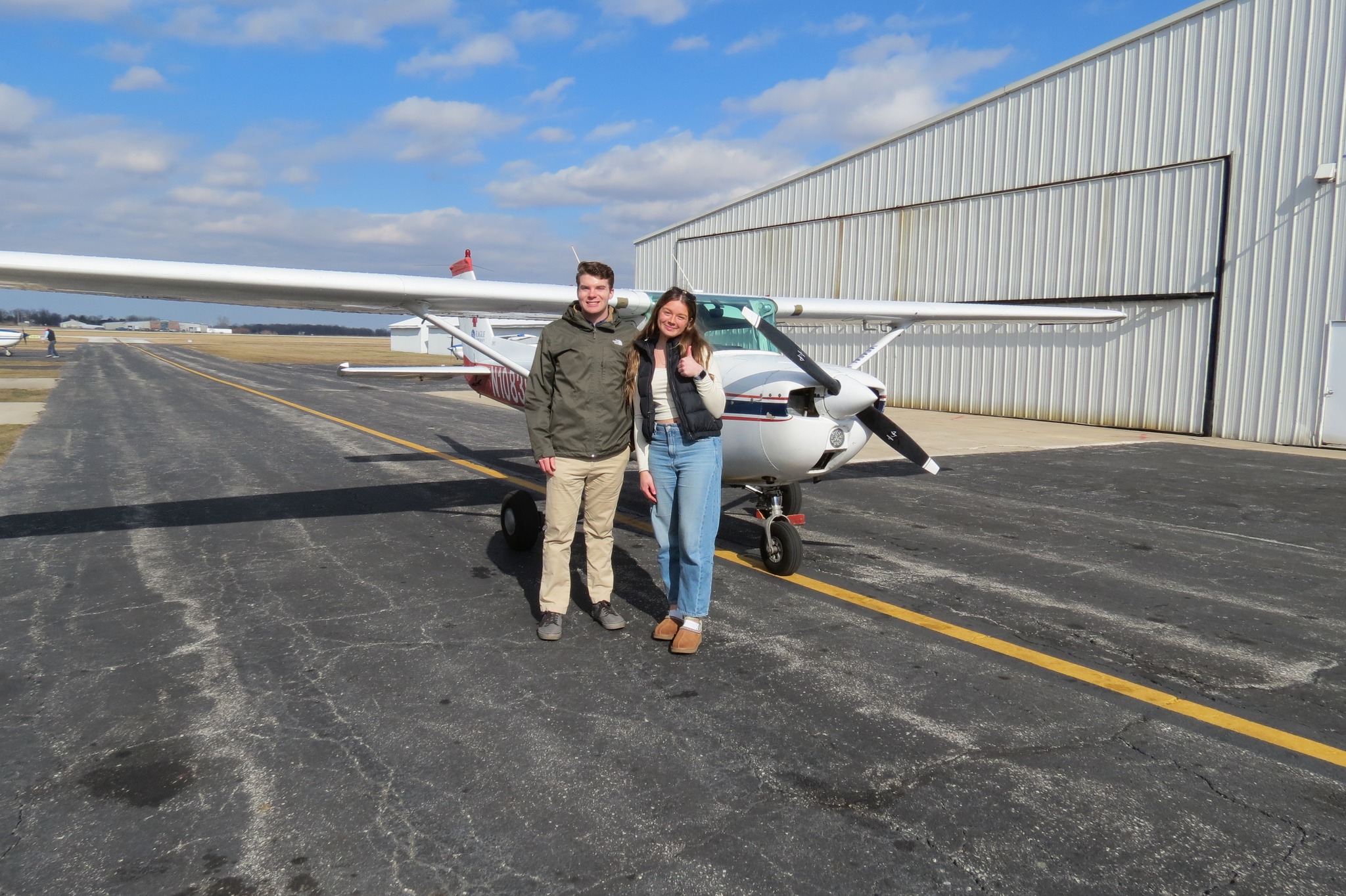
The most effective way to evaluate any flight academy is to step out onto the ramp, meet the instructors in person, and take an introductory flight. Reading website reviews gives you general impressions, but experiencing the aircraft, headset communication, and airport rhythm firsthand gives you immediate clarity.
During an introductory flight, you sit in the left pilot seat, handle the flight controls alongside an instructor, and discover what the view from pattern altitude looks like. It is an inspiring experience that replaces anxiety with genuine excitement.
If you are ready to take control of your aviation dreams, we invite you to book your initial discovery flight at our Valparaiso facility to meet our instructional team in person and see how our structured programs can turn your dream of flight into a lifelong reality.